If you are staying at Lake Toya, Mount Usu and Showa-Shinzan are well worth the short trip. About 15 minutes by car from the Lake Toya onsen town, they are sights unique to this area, where you can feel with your own skin that “the earth is alive.” We at Kamonoya, who run 11 whole-house rentals around Lake Toya, share how to enjoy volcano sightseeing from the perspective of people who live here.
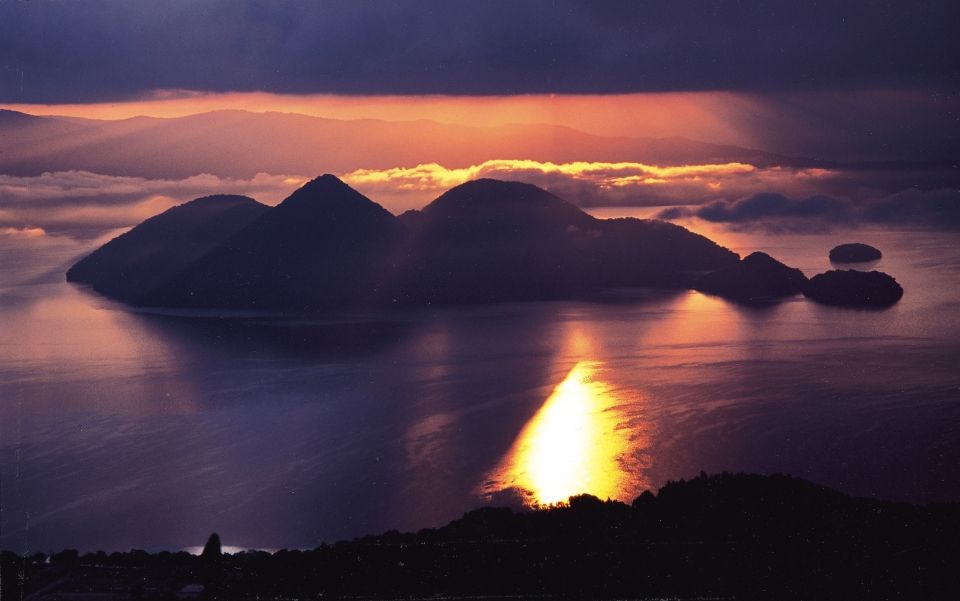
What is Mount Usu? An active volcano rising south of Lake Toya
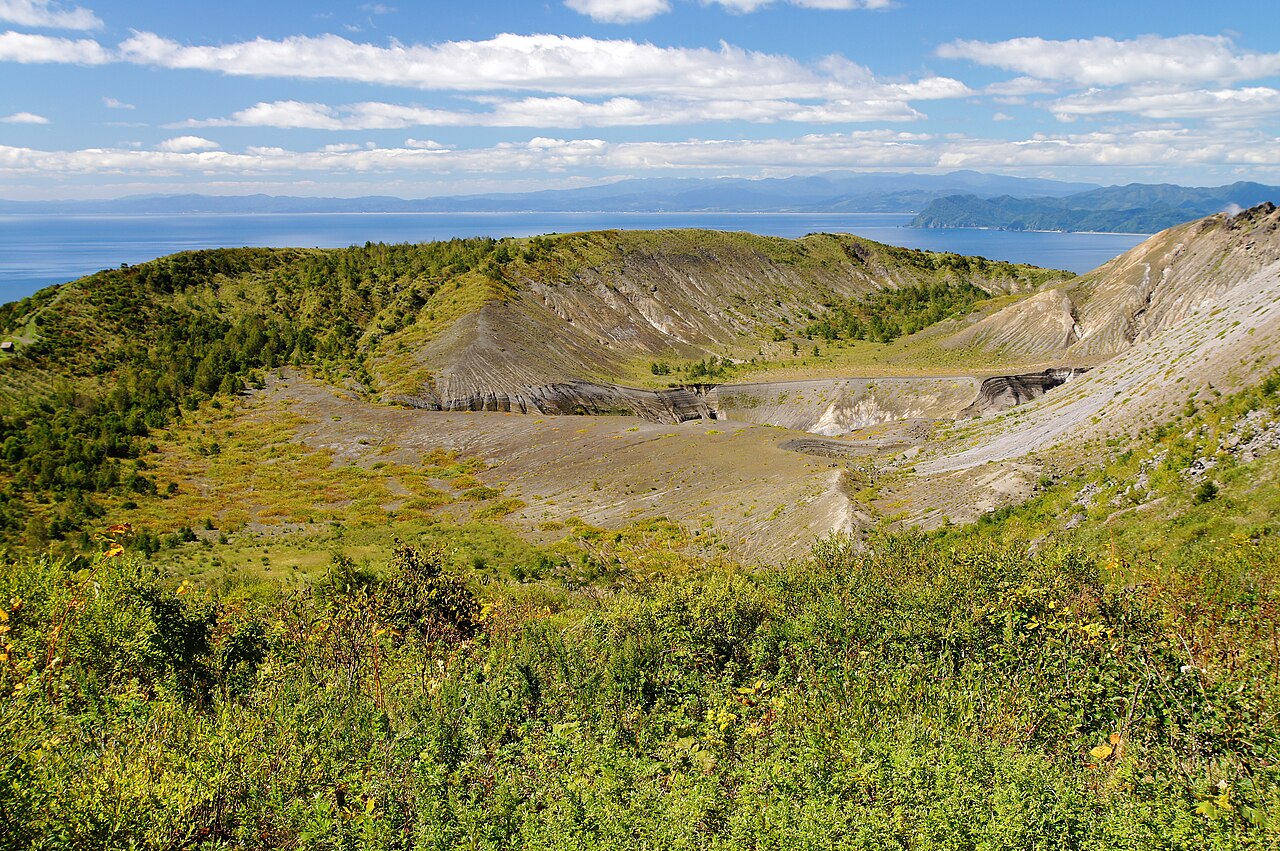
Mount Usu is an active volcano on the south side of Lake Toya, with four recorded eruptions in the 20th century alone—making it one of the most thoroughly documented volcanoes in the world. It last erupted in 2000, and is also known for the fact that early evacuation meant there were no casualties.
This region has a history of living alongside the landforms and hot springs the volcano created; the Lake Toya onsen itself is a gift of the volcano. Rather than hiding the traces of eruptions, the town preserves them as heritage and turns them into places of learning—and walking trails have been laid out around the onsen town where you can see buildings damaged by the eruption.
Up to the summit observation deck by the Usuzan Ropeway
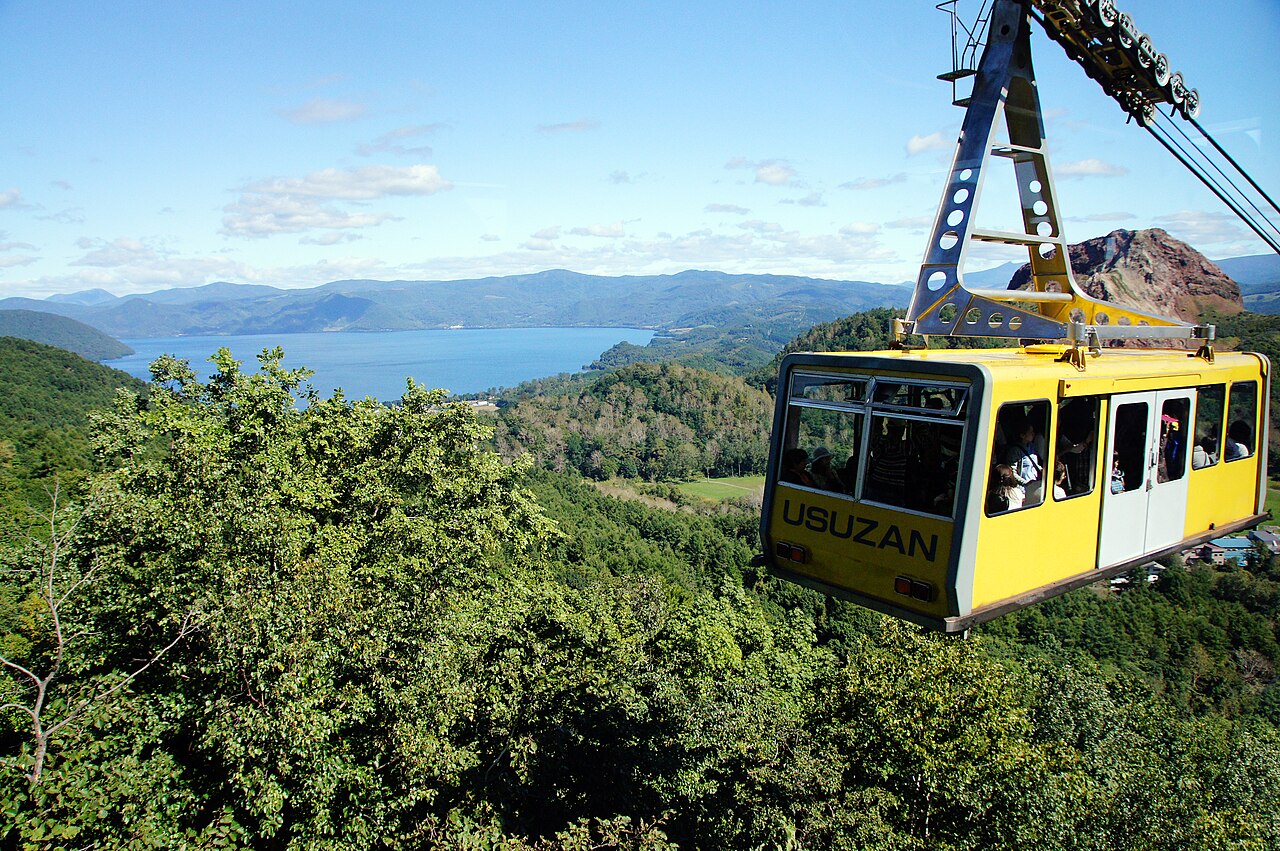
The highlight of a Mount Usu visit is the Usuzan Ropeway. Enjoy an aerial ride from the foot of Showa-Shinzan to the summit station, with the reddish-brown flank of Showa-Shinzan below you, Lake Toya and Nakajima beyond, and—on a clear day—a grand panorama stretching all the way to Uchiura Bay.
- The observation deck is a short walk from the summit station, with views on both the Lake Toya side and the Uchiura Bay side.
- A promenade also leads to a deck overlooking the crater floor, where you can observe the dramatic volcanic terrain up close.
- Allow about 1.5 to 2 hours for the ropeway round trip plus a walk around the observation decks.
Operating hours and fares may change by season, so please check the latest on the official website. Service may also be suspended in strong winds.
Showa-Shinzan | a lava dome that rose from a field, rare in all the world
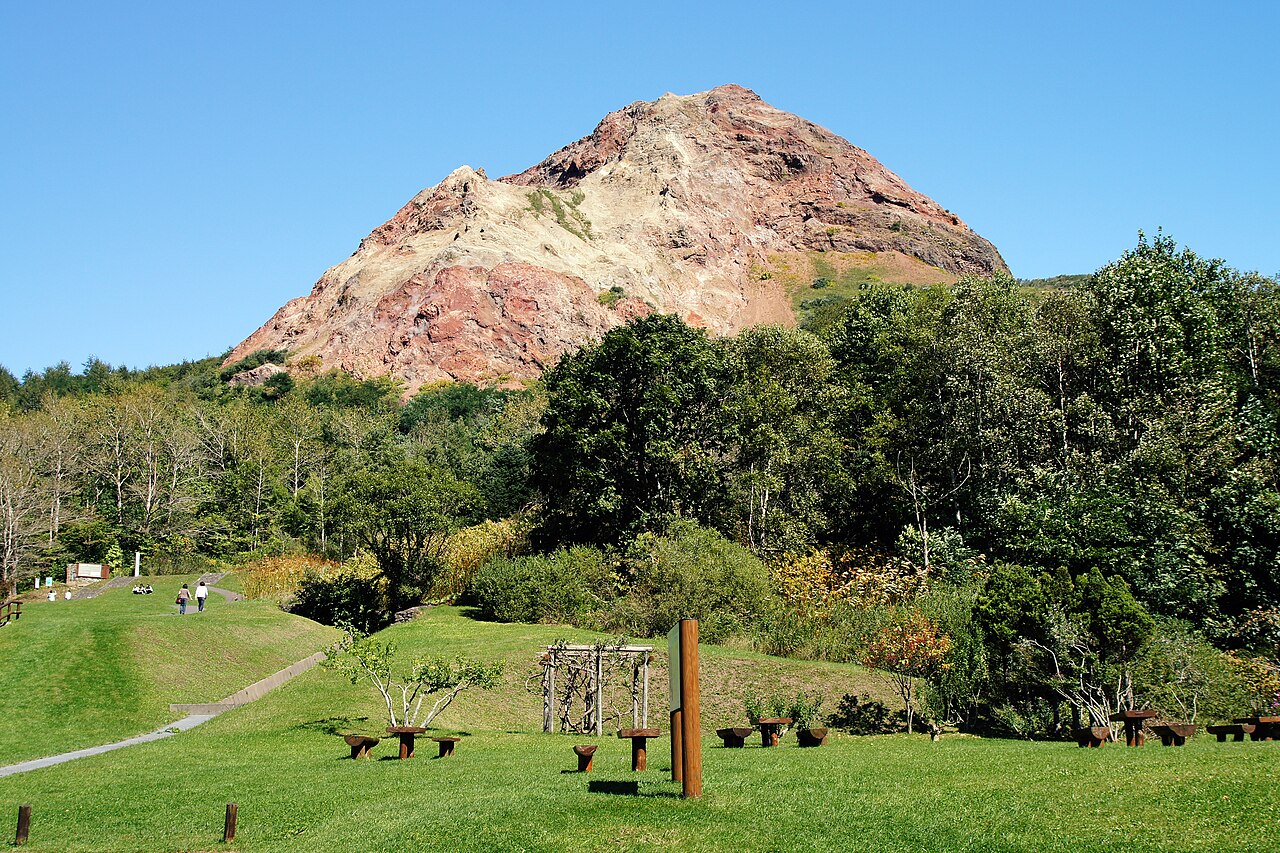
The reddish-brown mountain rising right in front of the ropeway station is Showa-Shinzan. It is a lava dome created by eruptive activity from 1943 to 1945, when land that had been a wheat field was pushed upward. In only about two years, flat ground became a mountain some 400 meters high—an origin extremely rare even by world standards.
At the time, with official observation difficult during the war, the local postmaster Masao Mimatsu continued observing at his own expense. His record of the mountain’s growth, the “Mimatsu Diagram,” is known for its contribution to world volcanology. At the foot of the mountain, the Mimatsu Masao Memorial Hall lets you see those records. Steam still rises faintly from the slopes today—proof that the volcano is alive.
Walking a town that coexists with a volcano | Lake Toya as a geopark
The Lake Toya and Mount Usu area is the “Toya-Usu Geopark,” which joined the Global Geoparks Network in 2009 and is one of Japan’s leading geoparks. With eruption remains, hot springs, and Lake Toya itself—a caldera lake—the whole area is like a textbook of volcanoes.
West of the onsen town there are walking trails around the remains of the 2000 eruption, where you can learn hands-on about the power of volcanoes and the importance of disaster preparedness. On a family trip, it is a valuable chance for children to learn how nature works while having fun.
A Lake Toya lodging makes a convenient base
Mount Usu and Showa-Shinzan are an easy trip from a base in the Lake Toya onsen town. A classic day is volcano sightseeing in the morning, a relaxed afternoon by the lake, and fireworks at night (the Lake Toya Long-run Fireworks Festival runs from late April to the end of October, about 20 minutes from around 20:45 each night). For putting together a full route, see our Lake Toya model course.
All Kamonoya properties are whole-house or whole-unit rentals with full kitchens, so you can relax without meeting other guests. For a family volcano-learning trip, Toya House in the town center (sleeps 8, from ¥24,000/night) is popular; for three-generation trips and groups, Lake Toya Base sleeps up to 20 (from ¥30,000/night); and for couples, Lake Toya Building 1R (from ¥7,000/night). See the rest from the list of properties.
Booking directly through our official site is the best-value official rate, with no agency commission (best-rate guarantee). Check availability here.
Want to walk more? See our complete geopark hiking guide, which covers the Toya-Usu Geopark—including Mount Usu and Showa-Shinzan—from a hiker’s point of view, with the 2000-eruption disaster trails, trekking on Nakajima and more.
FAQ
How long does the Usuzan Ropeway take?
The ride itself is only a few minutes each way; allow 1.5 to 2 hours in total for the round trip and a walk around the summit decks. If you walk to the crater-floor deck, allow a little more.
Can I climb Showa-Shinzan?
Showa-Shinzan is still venting steam and is designated a Special Natural Monument, so general climbing is not permitted. We recommend viewing it up close from around the parking area at its foot, or from the summit decks of the Usuzan Ropeway.
Can I visit Mount Usu and Showa-Shinzan in winter?
The Usuzan Ropeway usually operates in winter as well, though it may be suspended due to weather or maintenance. Snow-clad Showa-Shinzan with Lake Toya beyond is a beauty unique to winter. Please check the operating status on the official website before you go.