Hello from Kamonoya, which runs 11 whole-house rentals at Lake Toya in Hokkaido. Lake Toya is a conveniently sized lake—about 40 km around, roughly an hour by car—and from its shores a short drive takes you from the sea (Funka Bay) to the foot of Mount Yotei and up to the highlands of Rusutsu, offering wonderfully varied scenery. Dotted along these routes are the michi-no-eki (roadside stations), where local food and travel information come together. In this guide we introduce six roadside stations worth touring by car from a Lake Toya base, from a local innkeeper’s point of view—stations famous for seafood bowls, farm-fresh produce stands, and places to learn about volcanoes and history. Pair them with a lakeshore drive and enjoy.
The basics of touring Lake Toya’s roadside stations: “close by” and “worth the detour”
It helps to sort the roadside stations around Lake Toya into two groups when planning. The first are the stations right near Lake Toya—on the north and coastal sides of the lake, easy to drop into as an extension of your lakeshore drive. The second are the ones worth a short detour—in the neighbouring towns of Rusutsu, Niseko, and Date, where you can meet produce and culture unique to each place.
The basic loop route and its stops are covered in detail in our Lake Toya lakeshore drive guide, so please have a look. Many roadside stations have a farm produce stand attached, and picking up that morning’s local vegetables is part of the appeal. If you are staying in a rental with a kitchen and cooking for yourself, touring the roadside stations doubles neatly as your grocery run. For where to buy ingredients and local food tips, see our Lake Toya food guide as well.
Note: opening hours, closing days, prices, and menus below are all subject to change. In winter in particular, many stations shorten their hours or set closing days, so please always check each roadside station’s official website before you set out (information is as of July 2026).
Three roadside stations right near Lake Toya
Michi-no-Eki Toya-ko (Toyako Town, Toya district)
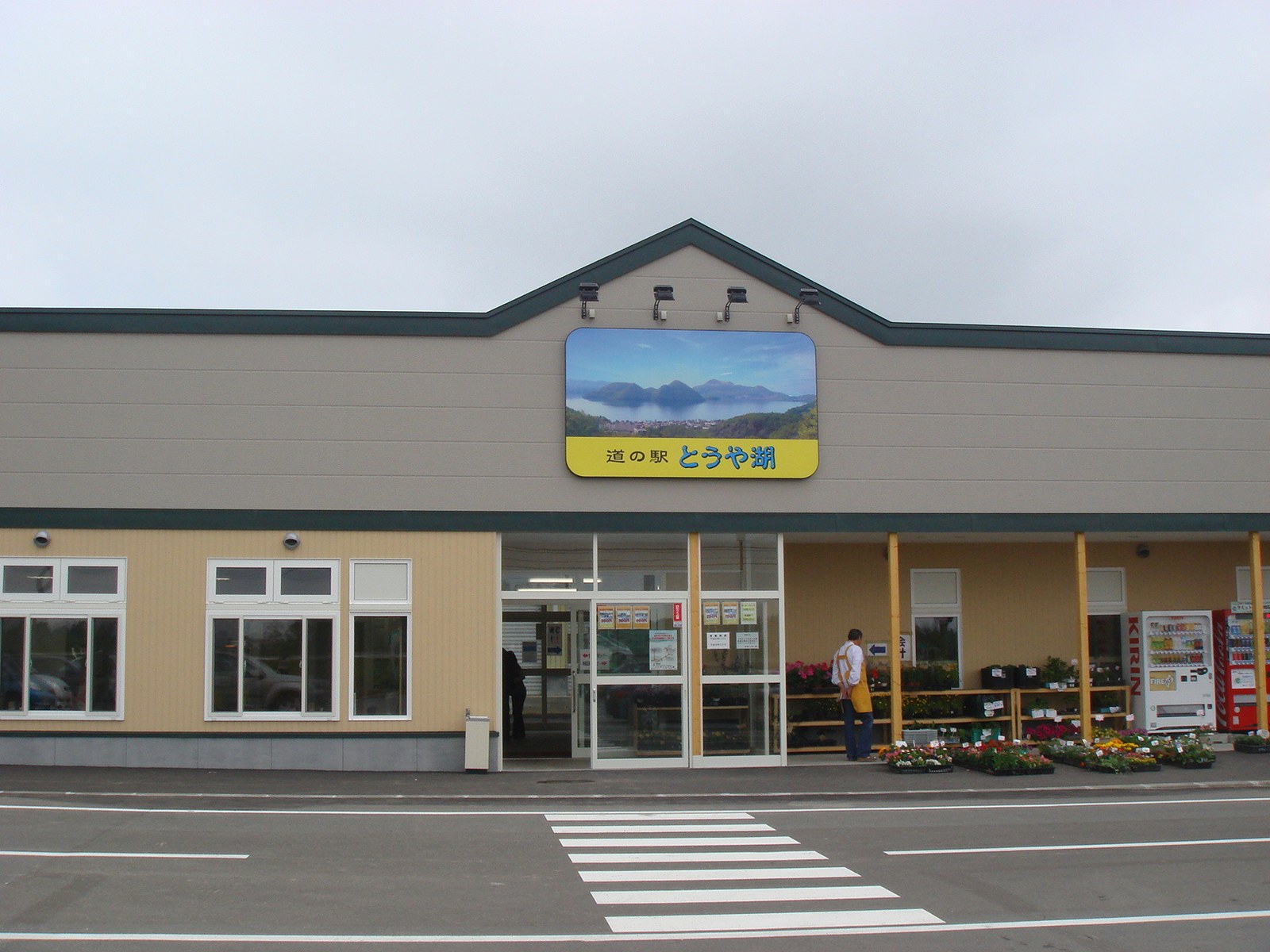
This roadside station sits on the north side of Lake Toya, along National Route 230. An observation deck next to the building looks out over Lake Toya on one side, while on the other Mount Yotei rises above the surrounding farmland—a location where you can enjoy both the lake and the famous peak at once. Inside, fresh produce and processed goods grown in Toyako Town are sold with the producers clearly named. The stand of vegetables raised under the area’s “clean agriculture” programme is a treat for self-caterers who want to stock up on local ingredients. The dining corner offers dishes made with local vegetables, and you may find hands-on activities such as soba- or udon-making. It’s an easy station to build into the start or end of a drive around the north shore.
Sobetsu Information Center i (Sobetsu Town)
This station serves as the information hub of Sobetsu, “the town of the lake, the volcano, and hot springs.” Its farm produce stand, “Sam’s,” fills each morning with fruit and vegetables freshly grown by local farmers. Sobetsu is also known as a fruit town, so depending on the season you may find cherries, grapes, and apples, along with plenty of jams and confections. Another highlight is the Volcano Disaster-Prevention Learning Hall on the second floor, where you can learn the eruption history of the active volcanoes Mount Usu and Showa-Shinzan through materials and video. As a place to understand how the Toya-Usu UNESCO Global Geopark was formed, it’s a good choice for a rainy day or a trip with a bit of learning. Note that in winter (mid-November to end of March) the station is closed on Tuesdays, and opening days change with the season, so checking ahead is recommended.
Michi-no-Eki Aputa (Toyako Town, Abuta district)
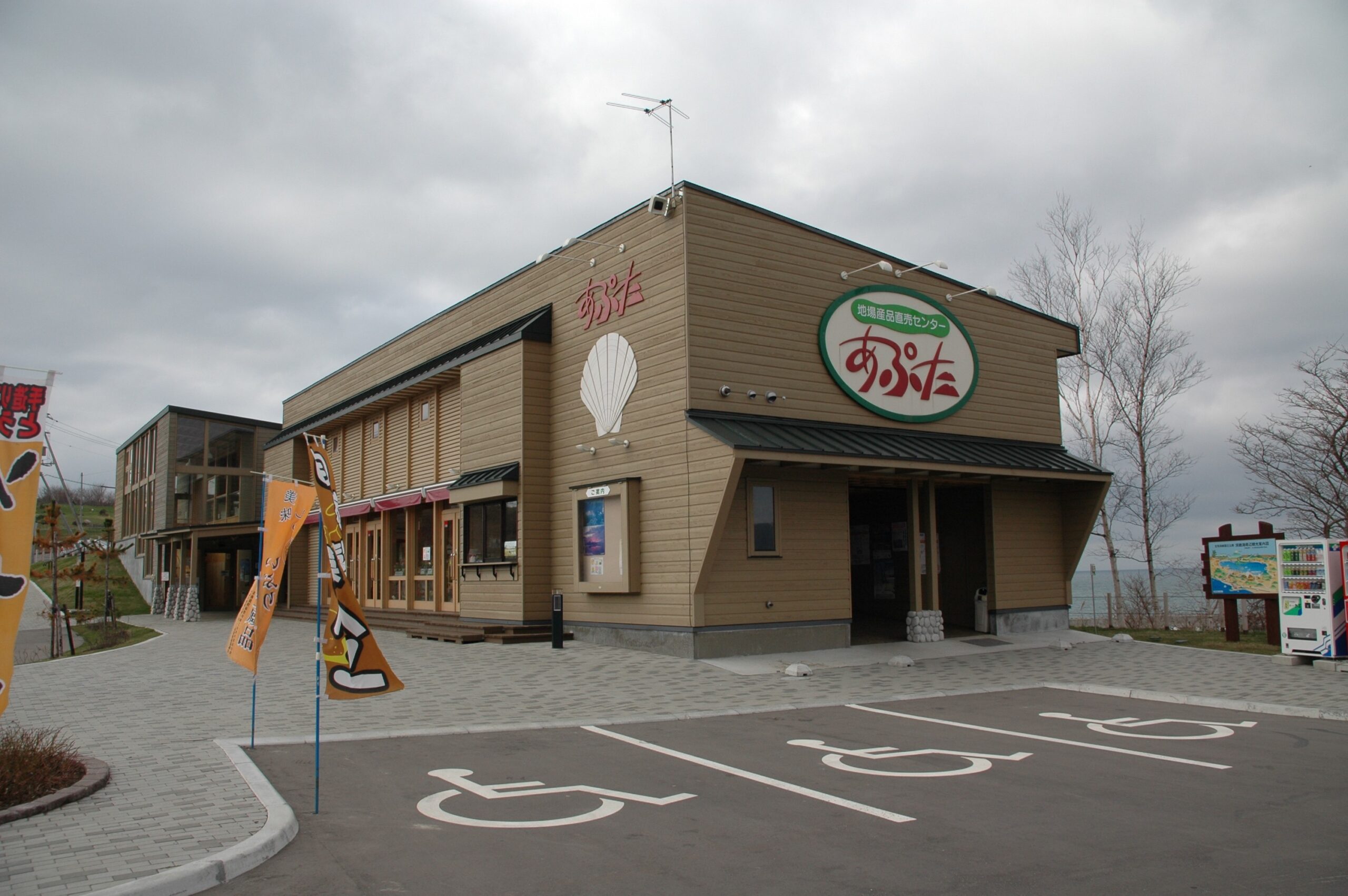
On the coastal side of Lake Toya, this station stands on a rise facing Funka Bay. Right below is Abuta Fishing Port, and the chance to taste seafood just off the boats is its greatest draw. The signature dish is a sea-urchin (uni) bowl topped with fresh uni from the local waters and Hokkaido, and scallop dishes are popular too (prices and offerings change with the season, so please check the official site for the latest). From the terrace seats a panorama of Funka Bay opens up, and the station is known as a spot for sunsets. It makes a perfect turnaround point on a drive—fill up on seafood, then head back to the lakeshore.
Three roadside stations worth a short detour
Michi-no-Eki 230 Rusutsu (Rusutsu Village)
Heading north from Lake Toya on National Route 230 brings you to the highland resort village of Rusutsu. This roadside station reopened after a renewal in April 2025, reborn under the theme “The beginning of abundance.” It puts Rusutsu vegetables grown at the foot of Mount Yotei centre stage, with displays of farmers’ stories and cooking ideas, and a selection of “fermentation”-themed seasonings. You can also try flavours unique to the area, such as bowls featuring Rusutsu pork and the “Rusutsu ramen” made with local vegetables (menu names and contents may change, so please check the official site). Many visitors combine it with Rusutsu Resort, and it’s popular as a stop on family trips. For how to enjoy the Rusutsu area, see our Rusutsu Resort travel guide as well.
Niseko View Plaza (Niseko Town)
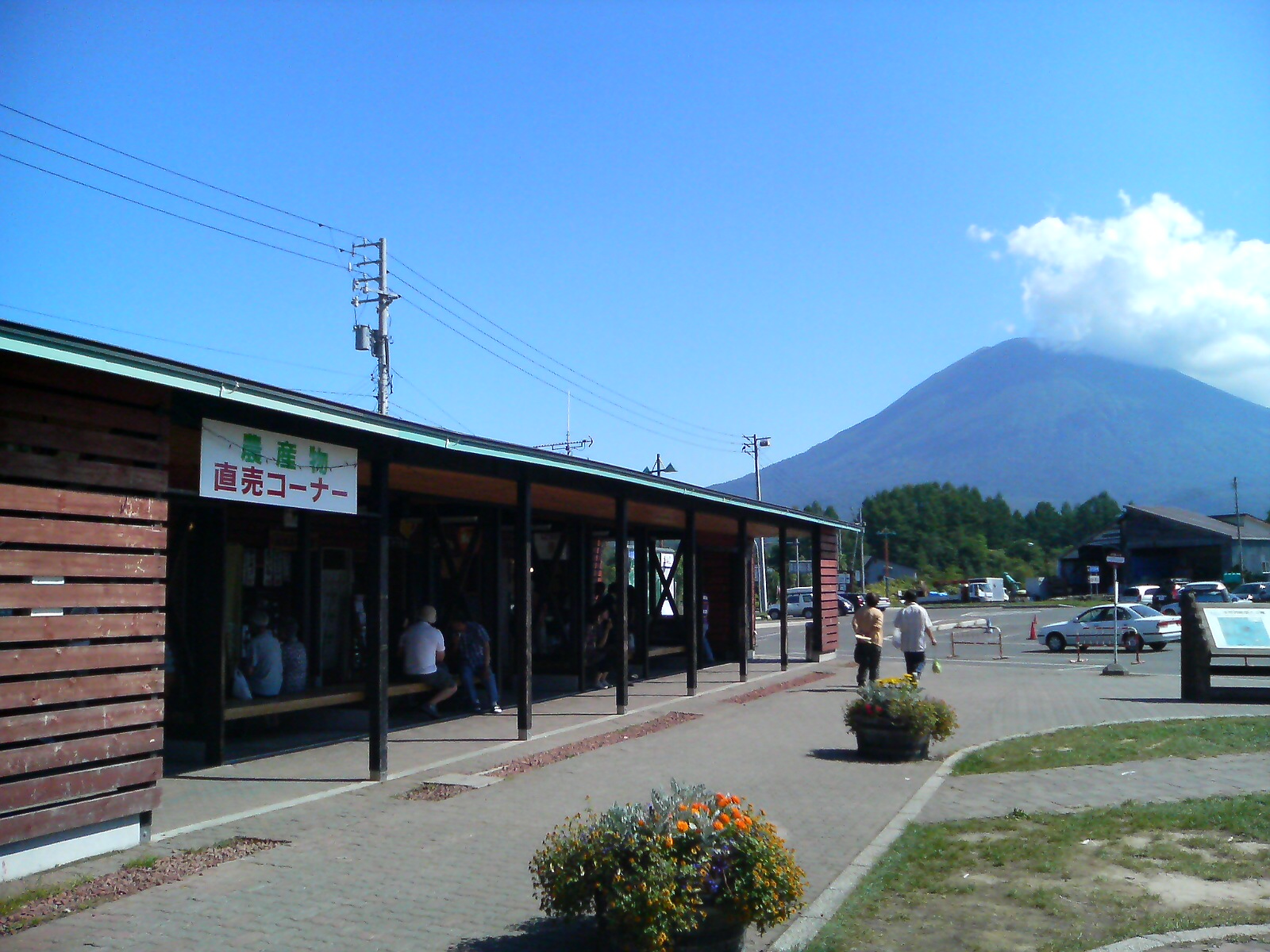
On National Route 5, this hugely popular station draws more than 600,000 visitors a year. The main attraction is, above all, its farm produce stand. Under the motto “safe, secure, affordable,” it lines up fresh Niseko vegetables harvested that very morning. Spring brings asparagus and vegetable seedlings; from summer into autumn, melons, potatoes, and more pile high with the seasons. The takeaway shops serve local dishes made with Niseko ingredients, and on a clear day a break with Mount Yotei in view is something special. It’s a little way from Lake Toya, but the produce stand makes the detour well worth it.
Michi-no-Eki Date Rekishi-no-Mori (Date City)
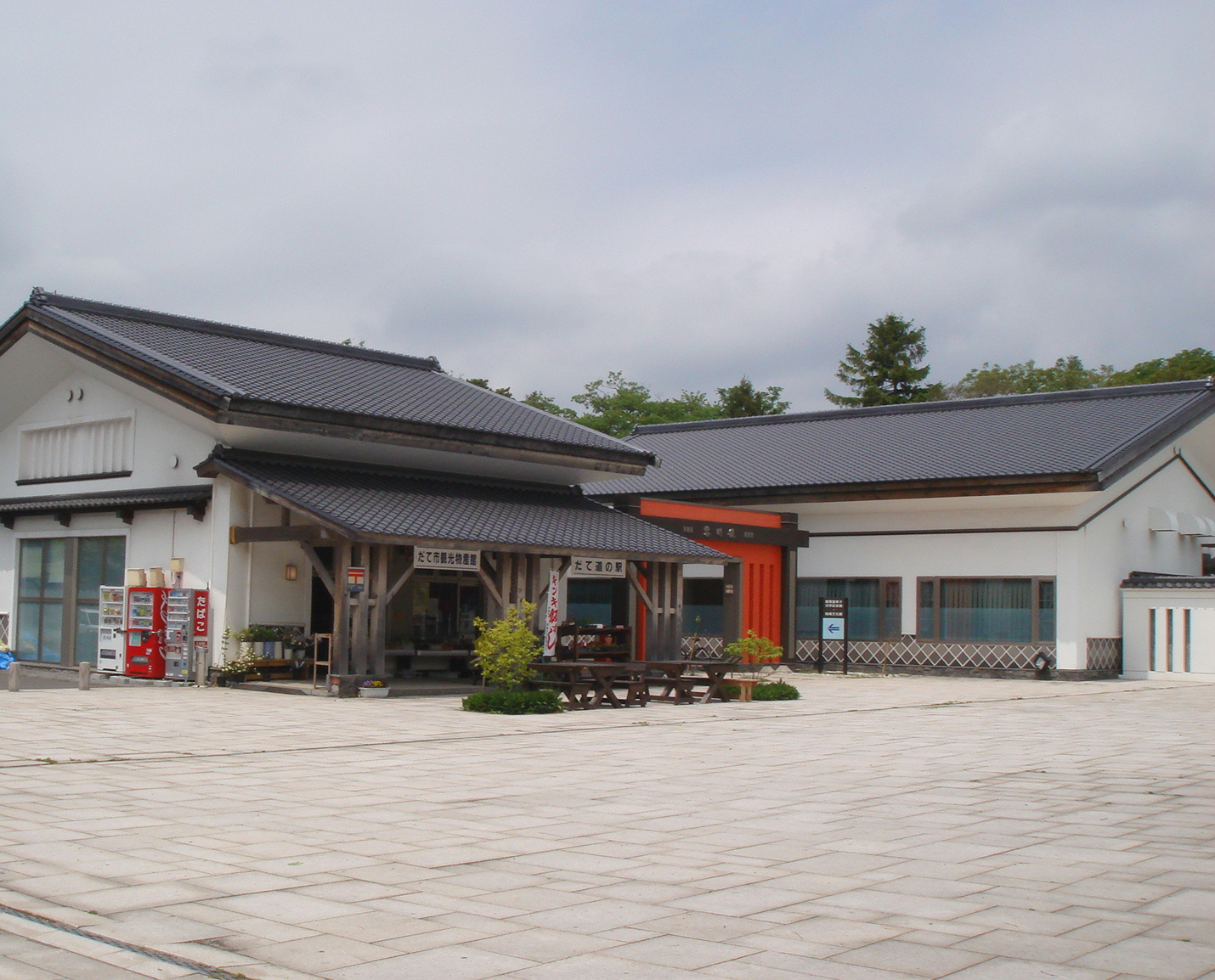
Out toward the coast from Lake Toya, in Date City, this station sits within the “Date Rekishi-no-Mori” park, distinguished by its stone walls and grand gate. The Date City Tourism and Products Hall stocks an abundance of local goods, centred on seasonal fresh vegetables delivered by around 80 farms, along with processed seafood and meat products and confections. Within the same park is the Date History and Culture Museum, exhibiting the region’s history from the Jomon period to the present, together with armour, weapons, and fine art and crafts. Here you can also encounter culture unique to Date—one of Hokkaido’s few indigo-producing areas and home to swordsmiths—making it a roadside station that pairs learning with shopping (please check the official site for museum exhibits, activities, and fees).
Model driving courses: touring roadside stations in half a day or a full day
How to combine the roadside stations from a Lake Toya base? Here are two relaxed model courses.
Half-day course (a loop close to the lake)
- Morning: Leave your accommodation → on the north shore, Michi-no-Eki Toya-ko for views of Lake Toya and Mount Yotei plus a vegetable run
- Midday: Michi-no-Eki Aputa for a seafood lunch of the signature uni bowl and scallops, overlooking Funka Bay
- Afternoon: Sobetsu Information Center i to buy fruit and vegetables and visit the Volcano Disaster-Prevention Learning Hall, then back to your accommodation
All three are close to Lake Toya and easy to fit into a lakeshore drive. Pick up your dinner ingredients along the way and you can cook the moment you return.
Full-day course (venturing to the neighbouring towns)
- Morning: Take Route 230 toward Rusutsu → Michi-no-Eki 230 Rusutsu for Rusutsu vegetables and local dishes
- Midday to afternoon: On to Niseko View Plaza. Browse the produce stand and grab takeaway with Mount Yotei in view
- Evening: On the way back to Lake Toya, enjoy the sunset from a lakeside viewpoint before returning
If you’d rather explore the coast, swap Rusutsu and Niseko for a route heading south along Funka Bay: Michi-no-Eki Aputa → Michi-no-Eki Date Rekishi-no-Mori. For tips on choosing souvenirs, see our Lake Toya souvenir guide. In winter, the mountain passes and the roads toward Rusutsu and Niseko can ice over or gather snow, so please use studless tyres, allow plenty of time, and keep your plans easygoing.
Base your roadside-station tour at a whole-house rental with a kitchen
The joy of touring roadside stations is tasting the vegetables and seafood you buy that same day. That’s exactly why a whole-house or whole-room rental with a full kitchen makes such a convenient base. Every Kamonoya property is a private rental, so you can turn the produce you’ve stocked up on into a home-style dinner without sharing with other guests. The locations make it easy to set out in any direction from Lake Toya, and to relax before and after each drive.
- For large groups and driving trips: Toya Farmer’s House (up to 18 guests, from ¥25,000/night). With BBQ and a fireplace, gather round a Hokkaido table of local vegetables and meat from the roadside stations.
- For travelling light from the central hot-spring town: Lake Toya Building 2LDK (up to 6 guests, from ¥11,000/night). Restaurants are within walking distance, so you get the best of both dining out and cooking in.
- For families who also want to BBQ: Toya House (up to 8 guests, from ¥24,000/night). A whole-house rental in the central hot-spring town, ready for a BBQ using ingredients from the roadside stations.
You can see our other properties on the list of facilities.
Booking directly through our official site is the best-value official rate, with no agency commission (best-rate guarantee). Check availability here
FAQ
Q. Which roadside station is closest to Lake Toya?
Right near Lake Toya are Michi-no-Eki Toya-ko (north shore, on Route 230), Sobetsu Information Center i (Sobetsu Town), and Michi-no-Eki Aputa (coastal side, Abuta district), all easy to drop into as an extension of a lakeshore drive. Starting with these three is our recommendation.
Q. Is there a roadside station where I can eat seafood?
Michi-no-Eki Aputa, facing Funka Bay, is known for seafood, with popular dishes made from uni and scallops landed at the Abuta port just below. Many people visit specifically for its signature uni bowl. Prices and offerings change with the season, so please check the official site for the latest.
Q. Can I buy local vegetables at the roadside stations for cooking?
Yes. Toya-ko, Sobetsu Information Center i, Niseko View Plaza, Date Rekishi-no-Mori and others have farm produce stands with that morning’s local vegetables. Every Kamonoya property has a kitchen, so you can cook with what you buy. It’s wise to finish your shopping while it’s still light.
Q. Can I still tour the roadside stations in winter?
Many stations are open year-round, but in winter they may shorten hours or set closing days (for example, Sobetsu Information Center i closes on Tuesdays in winter). The roads toward Rusutsu and Niseko and the mountain passes can also gather snow or ice, so studless tyres and extra time are essential in winter. Please check each station’s official site and road information before setting out.