Hello from Kamonoya, a whole-house rental lodging on the shore of Lake Toya in Hokkaido. If you are staying by Lake Toya, we highly recommend a short trip to the neighboring city of Date, only about 30 minutes away by car. Thanks to its mild, snow-light climate, Date is nicknamed the “Shonan of the North,” and it offers a depth of history you won’t find at the lake itself—from a Jomon-era shell midden inscribed as World Heritage to the samurai culture of the Sendai Date clan. As innkeepers who live here, we’ve put together this guide to what to see in Date and how to tour it.
What is Date, the “Shonan of the North”?
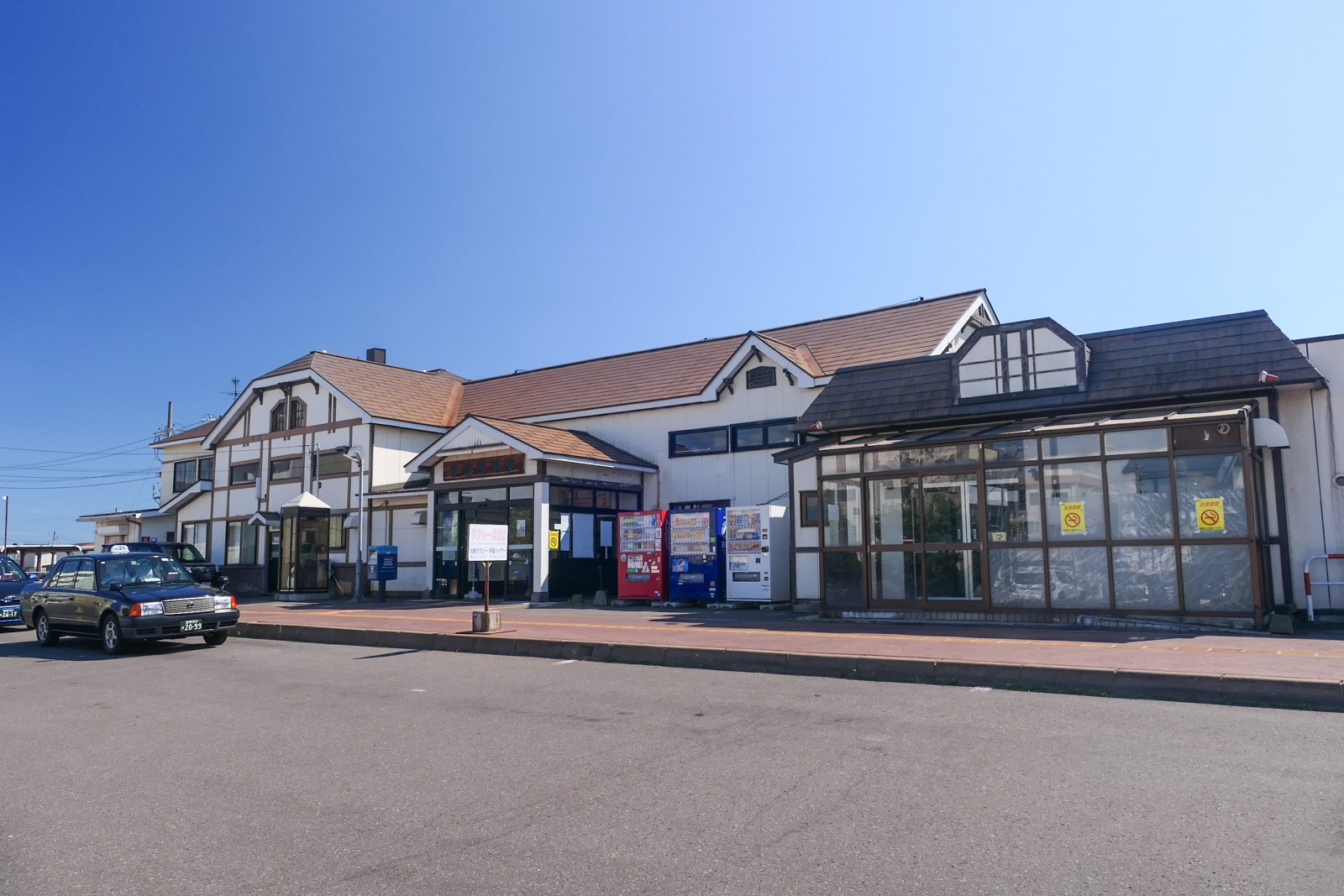
Date sits almost exactly midway between Sapporo and Hakodate, facing Uchiura Bay (also called Funka Bay, “Eruption Bay”). By Hokkaido standards it has an unusually gentle climate—little snow even in winter and cool summers—and that mildness has earned it the nickname the “Shonan of the North,” making it a popular place to relocate to from inside and outside Hokkaido. It is not unusual for the Date town center, just down the pass toward the sea, to have strikingly little snow even when the Lake Toya Onsen area is under a winter blanket.
The city’s name, “Date,” comes from the famous Sendai Date clan. In the early Meiji period, after losing their domain in the Boshin War, the head of the Watari-Date family—a branch of the Sendai clan—led some 2,700 retainers and craftspeople to settle and cultivate this land, and that migration became the origin of the city. White-walled, tile-roofed samurai-style buildings still stand in town, and you can experience that history in depth at Date Rekishi-no-Mori, described below.
Kitakogane Shell Midden Park | Walking a World Heritage Jomon site
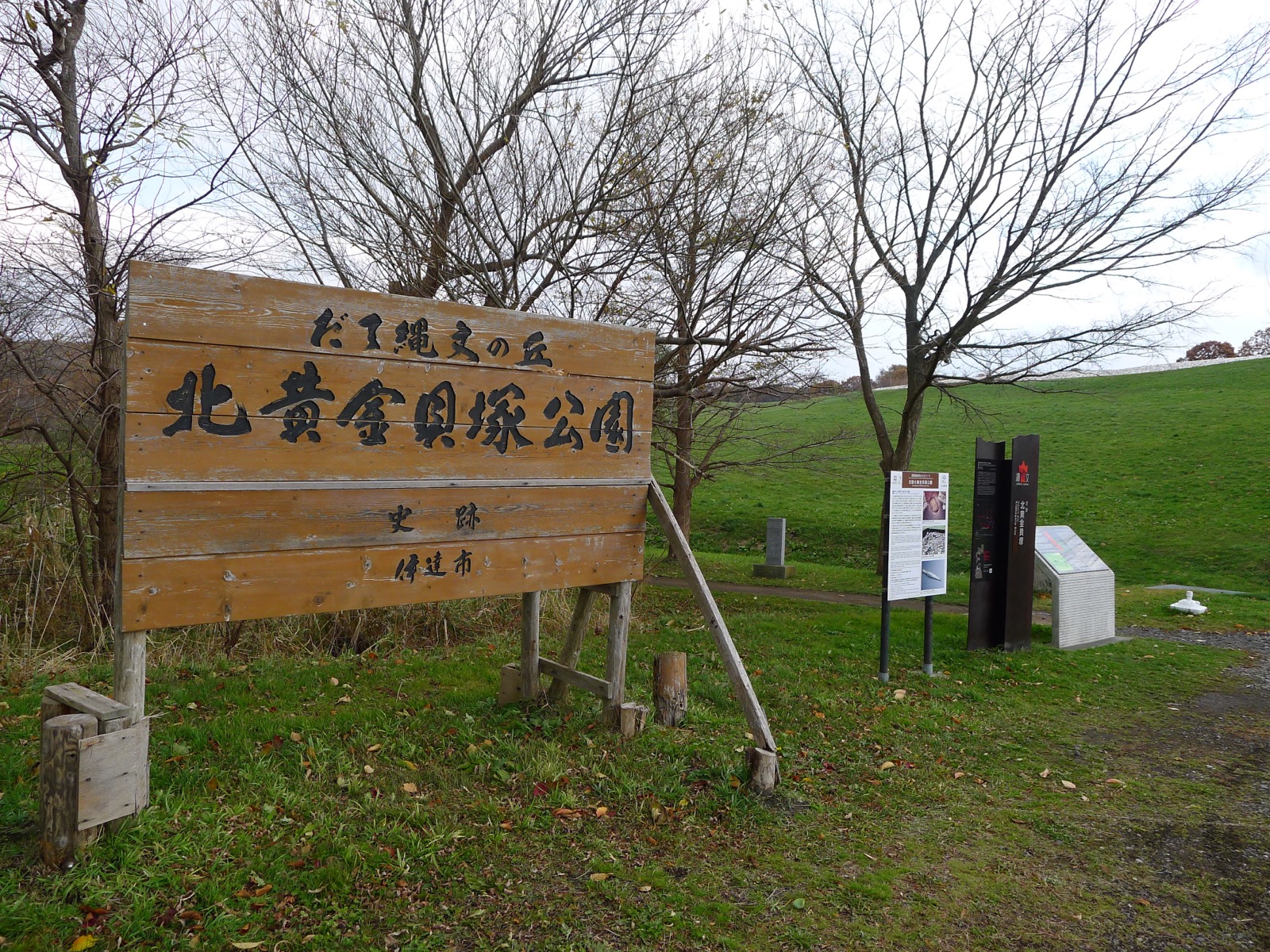
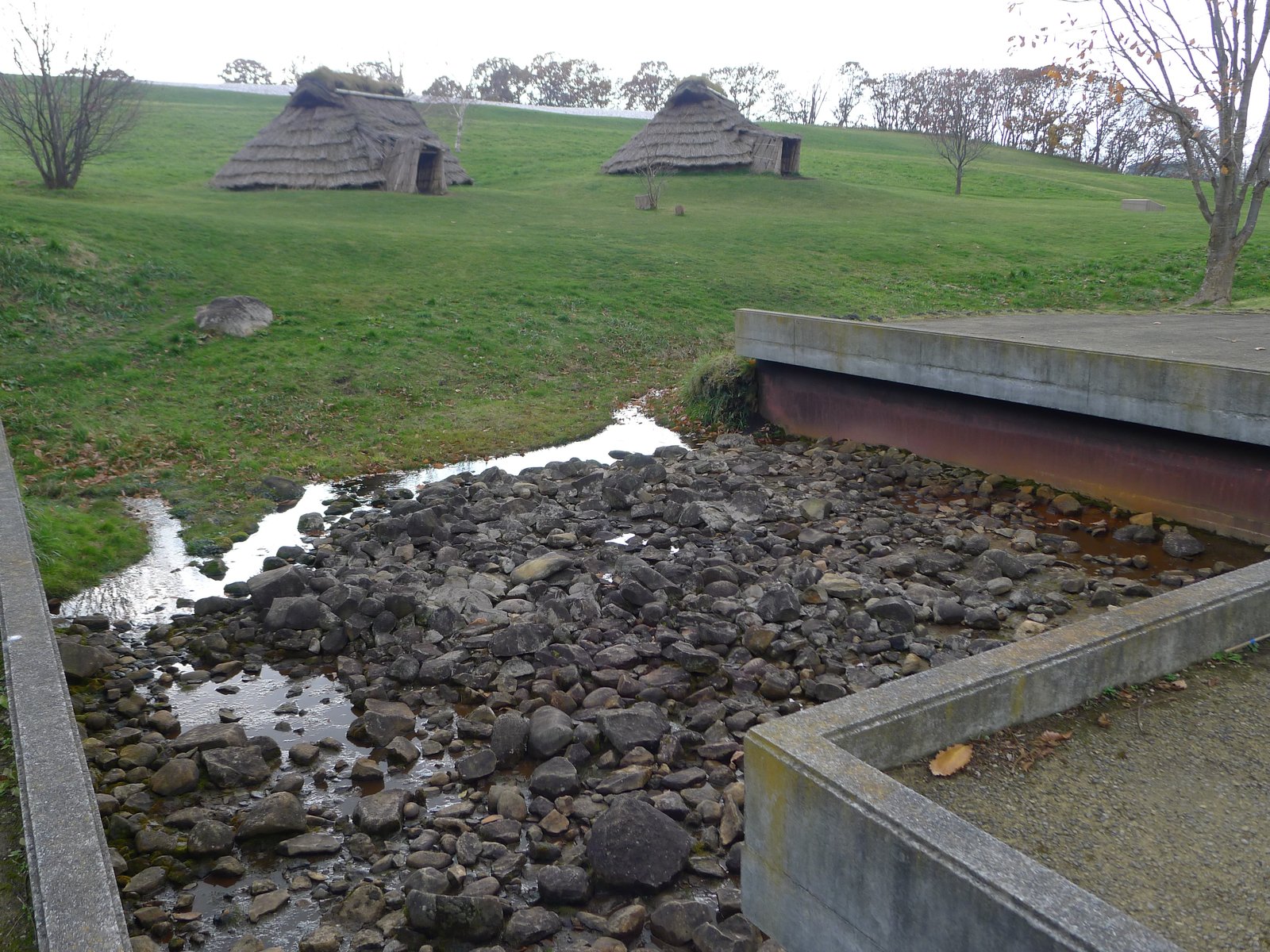
The first place to visit in Date is the Historic Site of Kitakogane Shell Midden Park. This is one of the component sites of the “Jomon Prehistoric Sites in Northern Japan,” inscribed as UNESCO World Cultural Heritage in 2021. On a rise overlooking Uchiura Bay, a Jomon-era shell midden and the remains of a settlement have been restored and laid out as an open-air archaeological park you can wander freely under open sky.
Kitakogane dates to roughly 5,500–7,000 years ago (the Early Jomon period), a time when settled Jomon life was developing. The shell midden has yielded shells such as clam, oyster and scallop, the bones of fish like tuna and flounder, and many bones of sea mammals such as fur seals and whales—showing that the Jomon people here lived mainly off the bounty of the sea. What makes the site globally significant is above all its ritual grounds where the shell midden and burial areas merge, and the water-side ritual features where large numbers of stone tools for grinding nuts were found—vivid evidence of Jomon spiritual culture. The view of the white layers of shell and the blue of Uchiura Bay from atop the hill is something you can only see here.
The Kitakogane Information Center in the park displays excavated artifacts with explanations, and offers the multilingual guide app “Pocket Curator” in Japanese, English, Chinese and Korean—so it is easy to enjoy even with overseas companions.
- Admission: free
- Opening hours: 9:00–17:00
- Closed: December 1 – March 31 (closed for the winter)
- Address: 75 Kitakogane-cho, Date City
Because it is an open-air park, the best time to visit is spring through autumn, after the snow melts. Note that it is closed in winter (December–March). As of July 2026; please check the official website for the latest information.
Date Rekishi-no-Mori | Samurai culture and Jomon treasures
Date Rekishi-no-Mori (Date History Grove) in the town center is a green comprehensive park that brings together a roadside station, the Date Museum of History and Culture, and historic buildings—the hub of sightseeing in Date. It stands on land tied to the former Watari-Date family, with the calm look of white walls and tiled roofs.
Date Museum of History and Culture
The Date Museum of History and Culture in the park lets you trace the region’s history—”from Jomon to Ainu, and on to a samurai town”—in one place. There are two main highlights. One is the arms and armor tied to the Watari-Date family, including the helmet with a “caterpillar crest” said to have been used by the first head of the house, Date Shigezane, among heirlooms brought here at the time of migration. Alongside the armor, the museum also introduces women’s culture such as cosmetic tools and shell-matching games—a refreshingly modern touch.
The other is the artifacts from the Usu-Moshiri site, designated an Important Cultural Property. This Epi-Jomon–period site yielded accessories made from shells such as Benkeigai and Ootsutanoha—southern shells that do not naturally live in Hokkaido—evidence of exchange with far-off regions to the south. Seen together with Kitakogane, they make the reach of this land’s Jomon culture feel strikingly vivid.
- Opening hours: 9:00–17:00 (last entry 16:30)
- Closed: Mondays (if a holiday, the first weekday thereafter)
- Admission: adults 300 yen / elementary & junior-high students 200 yen (preschoolers free)
As of July 2026; fees and hours may change, so please check the official website for the latest information.
Roadside Station Date Rekishi-no-Mori
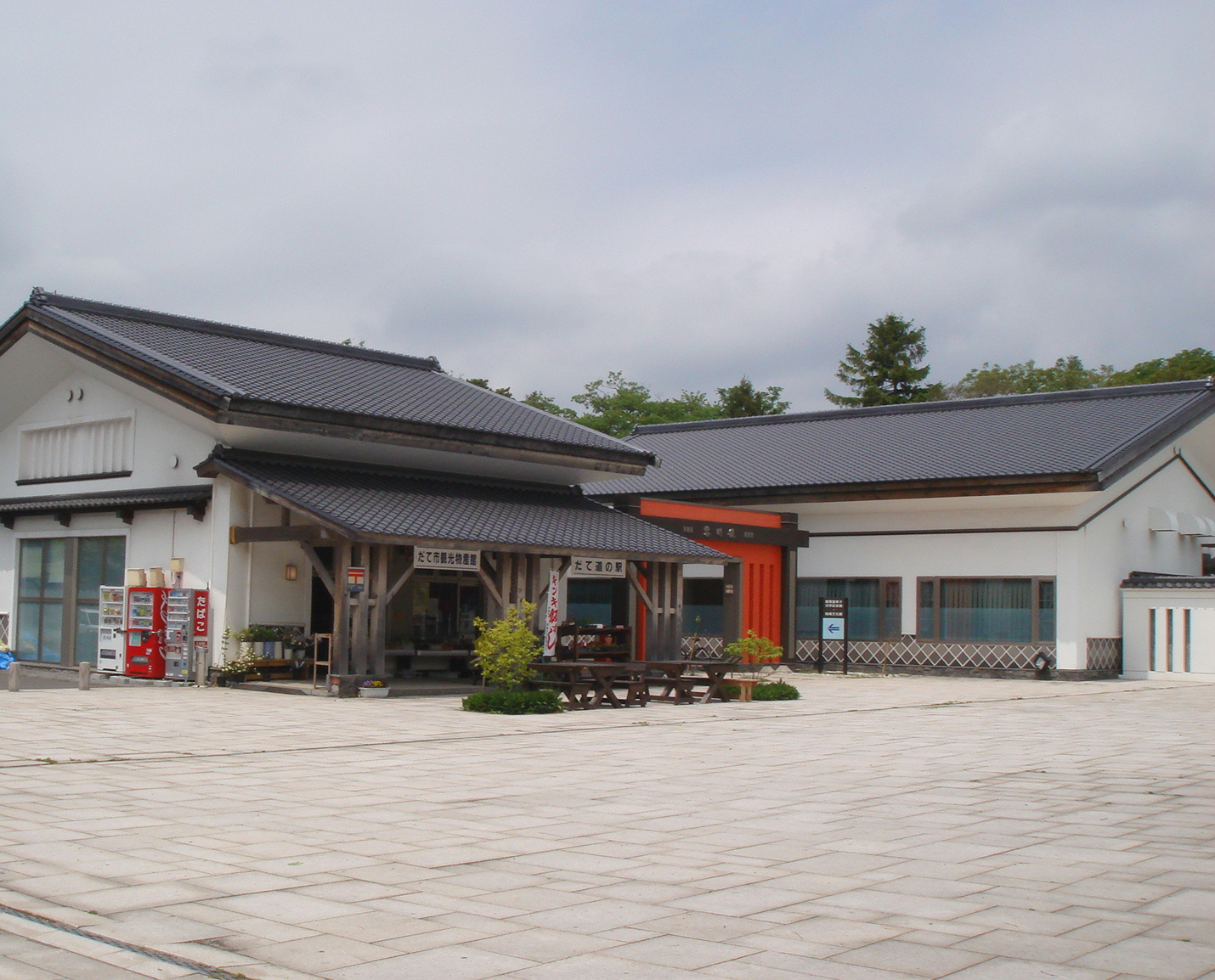
On the same grounds, the roadside station “Date Rekishi-no-Mori” has a local products hall where you can find produce and specialties from around Date. Date’s mild climate also supports active farming, so it’s a great spot to take a driving break and stock up on local vegetables to cook back at your lodging (for food and self-catering around Lake Toya, see our Lake Toya food guide). Since a purchase of a certain amount at the products hall can come with a museum admission perk, it’s efficient to stop at the roadside station first and then see the exhibits.
Other nearby spots worth a visit
Just east of Date, in the Usu district, stands Usu Zenkoji, known as one of the oldest temples in Hokkaido. It is also a popular spot for azaleas and cherry blossoms in spring, well worth combining with a history walk. For details, see our Usu Zenkoji guide and the azaleas of Usu Zenkoji article. The route from Lake Toya to Date is a pleasant drive along the lake and sea; our Lake Toya drive guide is handy for planning it.
Access from Lake Toya and a day-trip model course
From the Lake Toya Onsen area, where Kamonoya is based, it’s about 30 minutes by car down to the Date town center (Date Rekishi-no-Mori). The World Heritage Kitakogane shell midden lies a little further east, about 40 minutes by car. This is an area better suited to driving than public transport, so we recommend visiting by rental car or on a drive from your lodging. Travel times vary with road conditions—please check a car navigation system or map app before you set out.
To tour it in half a day to a full day, this model course is comfortable:
- Morning: Leave your Lake Toya lodging → a Jomon shell-midden walk at Kitakogane Shell Midden Park (with sweeping views over Uchiura Bay)
- Midday: Drive to the Date town center → break, shop for specialties, and have lunch at the roadside station “Date Rekishi-no-Mori”
- Afternoon: See the arms and armor and the Usu-Moshiri Important Cultural Property at the Date Museum of History and Culture → visit Usu Zenkoji if time allows → return to your Lake Toya lodging by evening
From December to March, when Kitakogane is closed for the winter, build your plan around the indoor Date Museum of History and Culture and you can still enjoy a comfortable history walk in snow-light Date.
Base your Date sightseeing at a lodging with a kitchen
Date is an easy day trip from Lake Toya, which is exactly why it works well to base yourself at Lake Toya, surrounded by hot springs and nature, and pop over to Date for the day. Every Kamonoya property is a whole-house or whole-unit rental with a full kitchen. You can set out after a proper breakfast, spend the day exploring history in Date, and cook dinner with local ingredients in your own kitchen at night—travel at your own pace. See the details of each property on our list of facilities.
Booking directly through our official site is the best-value official rate, with no agency commission (best-rate guarantee). Check availability here.
Frequently asked questions
Q. How much is admission to Kitakogane Shell Midden?
Admission is free. Opening hours are 9:00–17:00, and it is closed for the winter from December 1 to March 31. As it is an open-air archaeological park, spring through autumn (after the snow melts) is the easiest time to visit (as of July 2026; please check the official website for the latest information).
Q. How long does it take from Lake Toya to Date?
It’s about 30 minutes by car from the Lake Toya Onsen area to the Date town center (Date Rekishi-no-Mori), and about 40 minutes to Kitakogane Shell Midden. Public transport is limited here, so visiting by car is most convenient. Times vary with road conditions, so please check a map app before setting out.
Q. Can I enjoy it on a rainy day or in winter?
The Date Museum of History and Culture is indoors, so you can visit regardless of the weather. Kitakogane Shell Midden Park is open-air and closes for the winter (December–March). If you visit Date in winter, we suggest centering your day on the museum and the roadside station. As the “Shonan of the North,” Date has little snow even for Hokkaido, making it a comfortable winter outing.
Q. Is it good for families with children?
Yes. Kitakogane Shell Midden Park is a spacious outdoor site where children can roam among restored dwellings, and the museum offers a multilingual guide app and hands-on exhibits. Every Kamonoya property is a whole-house rental with a kitchen, so families with small children can eat and nap on their own schedule without worrying about other guests.