Hello from Kamonoya, a group of 11 private vacation-rental houses on the shores of Lake Toya in Hokkaido. When people picture Lake Toya, most imagine the bustling hot-spring town on the south shore, lined with hotels and souvenir shops. But much of the lake’s charm is tucked away on the opposite side. This article takes you to the west and north shores (the Tsukiura and Toya districts), across the water from the resort strip: a hilltop hamlet ringed by wine grapes, a lakeside farm market and art museum, a vermilion pavilion floating over the water, and a trail of sculptures that circles the entire lake. It is the perfect side of Lake Toya for travelers who want to step away from the crowds and spend quiet time with the lake. Here is how we, as local hosts, like to explore it.
Note: Opening hours, seasons, admission fees, and access below can change, and many facilities close in winter. Please check each facility’s official website before you go (information as of July 2026).
The Far Shore: What Is the West & North Side Like?
Lake Toya is a comfortably sized lake, about 40 km around and roughly an hour by car. The lively Lake Toya Onsen hot-spring town sits on the south shore; the west and north shores we cover here are on the opposite side of the water. Running from the hills of Tsukiura up to the Toya district on the north shore, this is the lake’s quieter, more everyday face, a landscape of farmland, forest, and calm lakeside.
There are few large tourist facilities here, and that is exactly the point: you can slow down and take in the lake and nature at your own pace. A hilltop village known for its wine, a lakeside market of local produce, a small museum devoted to an Ainu-born sculptor, a red pavilion that seems to float on the water. Each is modest on its own, but string them together by car and you have a lovely half-day to full-day drive. For the basic loop around the lake, see our Lake Toya Scenic Drive Guide.
Tsukiura: A Hilltop Wine Village Overlooking the Lake
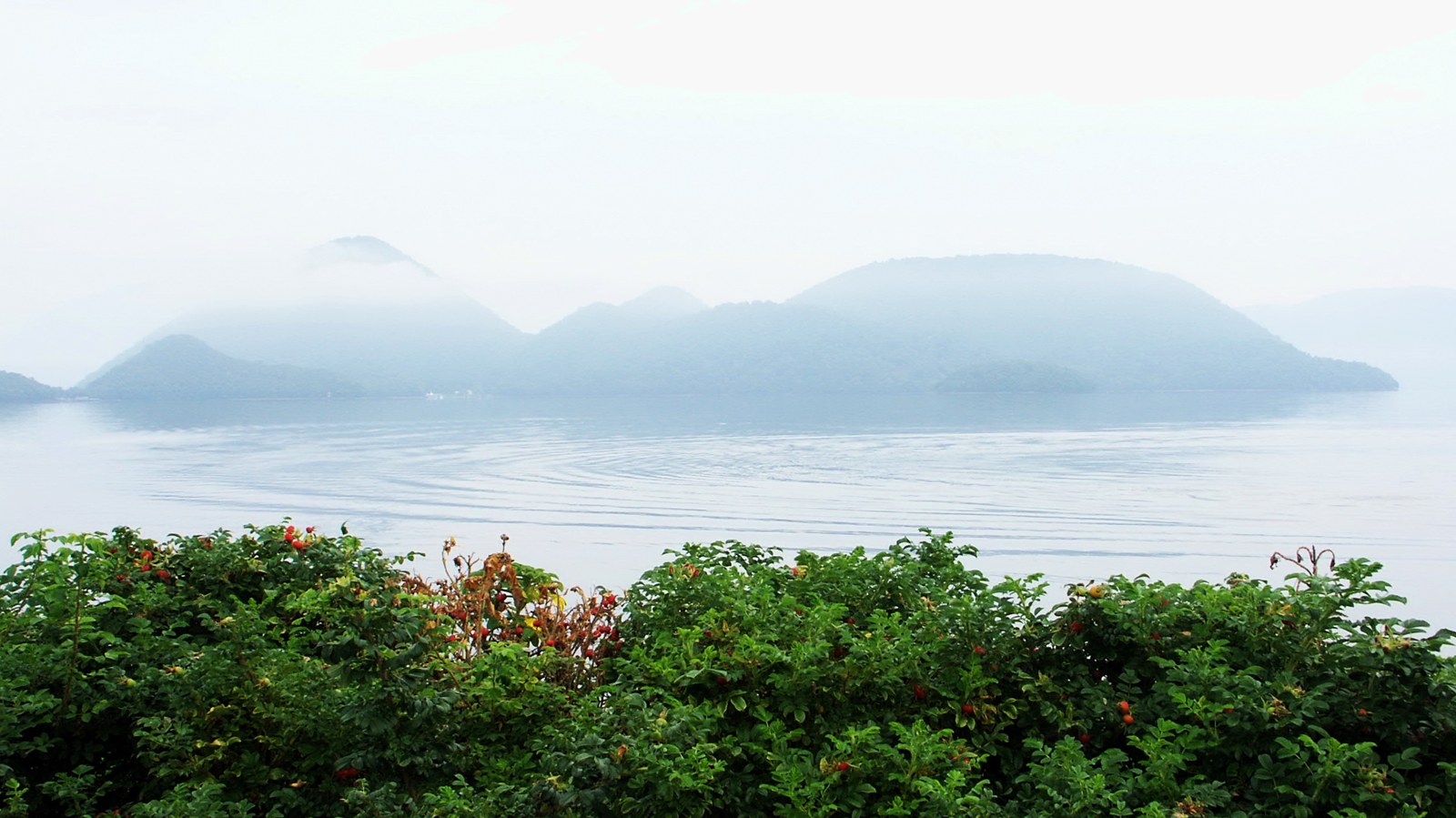
Drive to the west side of the lake from the hot-spring town and you climb into Tsukiura, a hamlet spread across a gentle rise. From this high ground you look out over both Mount Usu and Lake Toya, with vineyards and campgrounds dotting the slopes. Because you sit a little above the water, you get a different vantage than driving along the shoreline itself.
Tsukiura Wine
What put Tsukiura on the map is Tsukiura Wine, made from grapes grown on these very hills. The white wine, produced solely from the winery’s own estate grapes overlooking Mount Usu and Lake Toya, is a serious bottle with awards at the Japan Wine Competition to its name. Production is small, so it is not always available year-round, and stock varies by season, which makes it a genuine local find. If you stop by while driving, the real reward is the view of Lake Toya across the hillside vineyards. Whether the shop is open for purchases or visits varies with the season, so please check the official Tsukiura Wine website before visiting. If you would rather enjoy a local wine back at your lodging, it is worth asking at liquor shops in and around the hot-spring town.
Auto Campgrounds on the Hill
Tsukiura is one of Lake Toya’s favorite camping areas. Spread along the shore, Green Stay Toyako (Tsukiura, Toyako Town) is a full-scale auto campground with around 100 sites. It typically opens from late April to late October, letting you stay right beside the water during the season. On the higher ground of the same Tsukiura area, Toya Tsuki-no-Hikari Campground offers panoramic views in a smaller, more intimate setting, with both free and drive-in sites. Both close in winter (roughly November through April), so confirm the season and reservation details on each campground’s official information. If camping isn’t for you but you still want to cook amid nature, basing yourself at a vacation rental with a kitchen is another great option.
Lakeside Spots in the Toya District (North Shore)
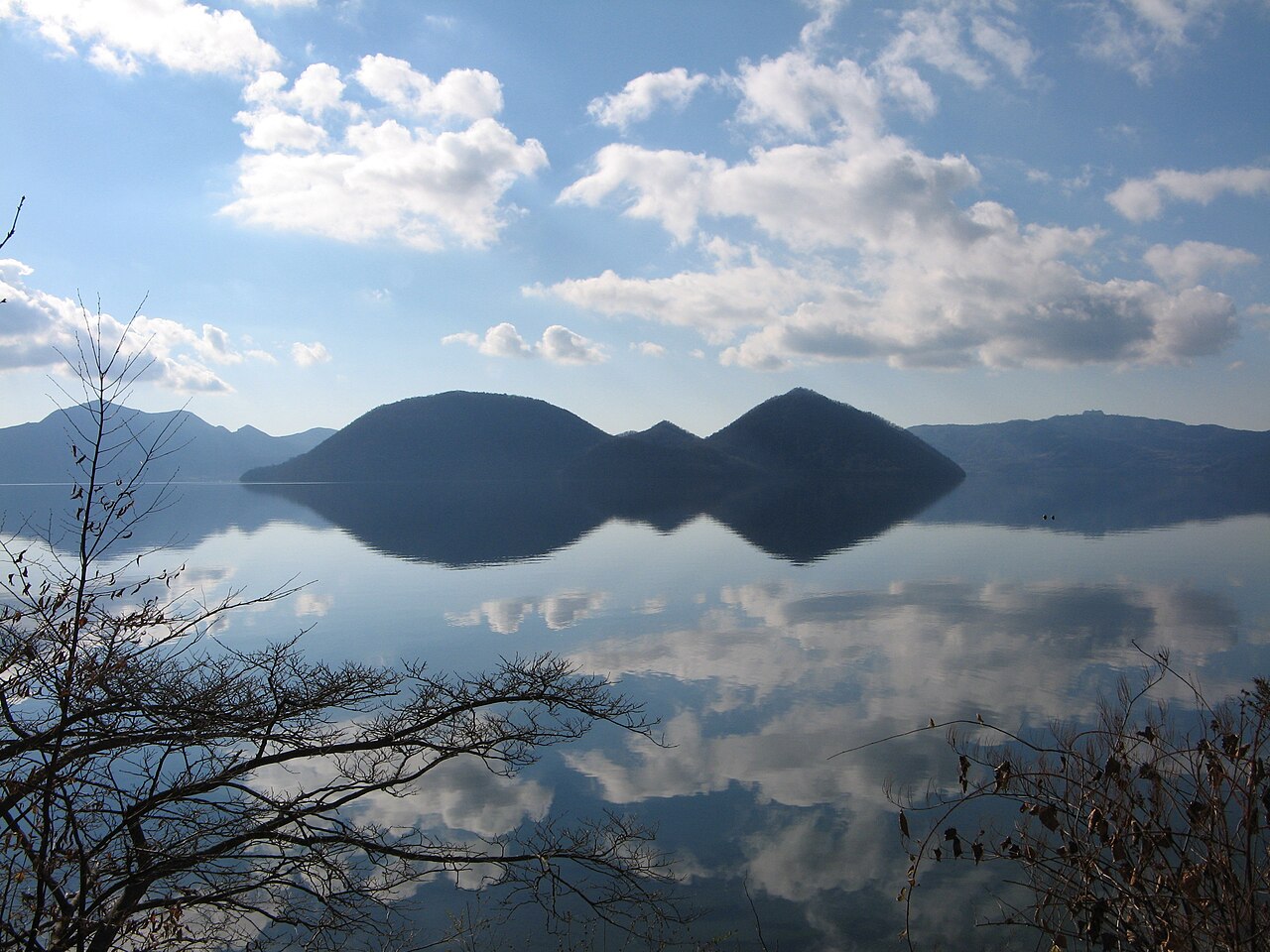
Continue north from Tsukiura to the Toya district on the lake’s north shore. Along Route 230 you’ll find a lakeside market, a museum, and a park, the highlights of a west-shore drive clustered together.
Toya Mizu-no-Eki
Standing right at the water’s edge in the Toya district is Toya Mizu-no-Eki (the “Toya Water Station”). Inside is a shop stocked with locally grown Toya vegetables, beans, and processed goods, plus an information corner where you can learn about Toya’s history and nature, an antenna shop that packs in the area’s bounty and stories. With the open expanse of Lake Toya right out front, it makes a fine rest stop on a drive. If you’re cooking at a kitchen-equipped lodging, this is a great place to pick up freshly harvested Toya vegetables for dinner (it is generally open year-round, but hours and stock vary by season, so check the official information). For more on enjoying local ingredients, see our Lake Toya Gourmet & Local Ingredients Guide.
Toyako Museum of Art (Meet the Sculptures of Bikky Sunazawa)
A short distance from Toya Mizu-no-Eki is a small lakeside museum, the Toyako Museum of Art. It exhibits works by the Ainu-born sculptor Bikky Sunazawa, along with small sculptures from the former Toya Village international sculpture biennale, photographs of Lake Toya by Manri Namikawa, and literary works from the Taisho and Showa eras. Bikky’s sculptures, which seem to be in dialogue with wood and nature, resonate beautifully with the quiet of the lakeside, making this a perfect place to pause for a little “cultural time” mid-journey.
The museum is typically open from April 1 to November 30 and closed December through March. Hours are 9:30 to 17:00 (last entry 16:30), and it is closed on Mondays (or the following day when Monday is a holiday). Admission is 300 yen for adults, 200 yen for high-school students, and 100 yen for elementary and junior-high students; Toyako Town residents enter free. It’s a dependable indoor option for a rainy day, too (fees and hours may change, so check the official website).
Ukimido Park
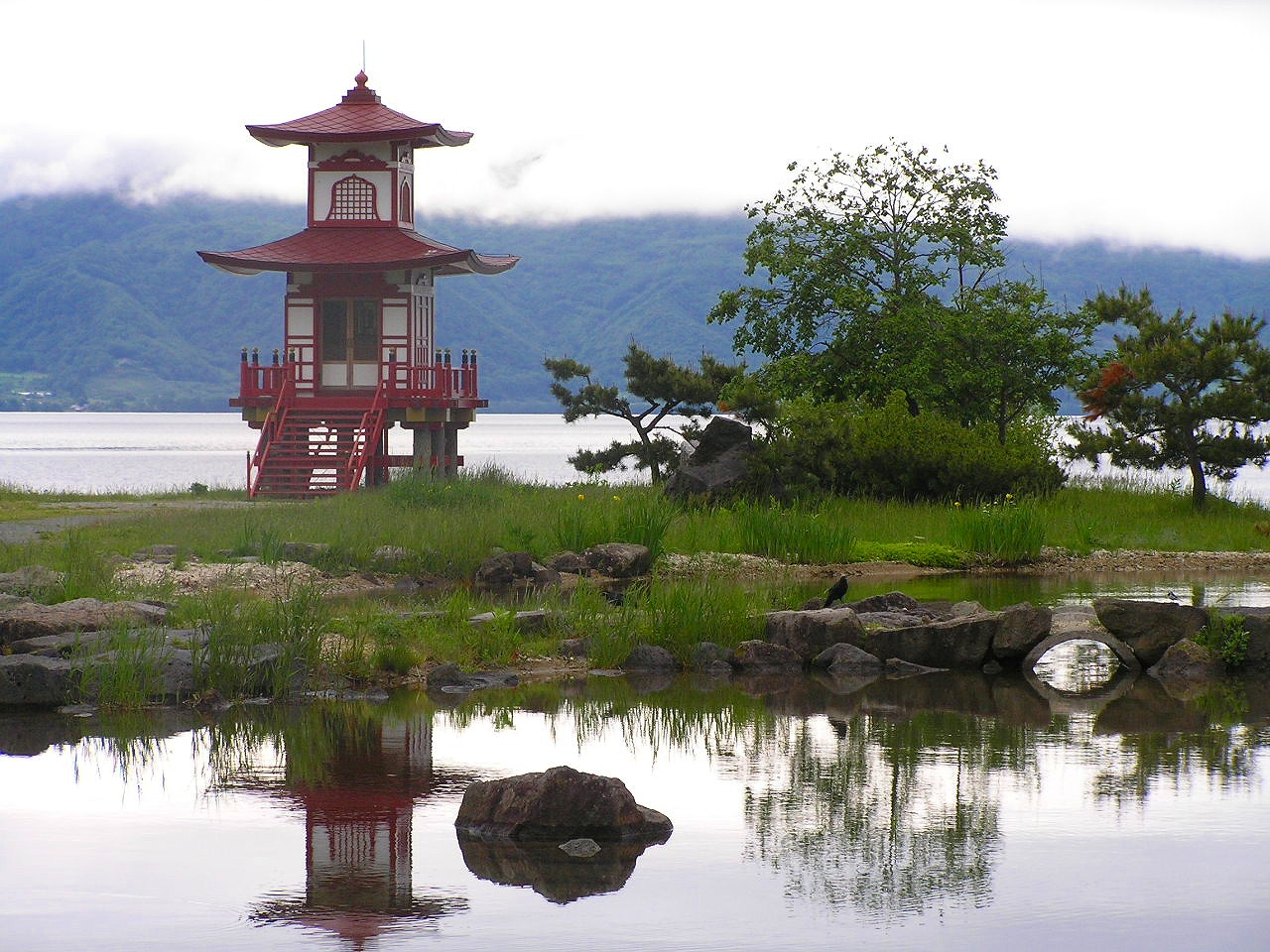
On the lake’s northwest shore, a striking vermilion pavilion stands on a promontory jutting out over the water: Ukimido Park. A statue of Prince Shotoku is enshrined in the two-tiered tower. The statue is said to have been brought to the former Toya Village by a traveling monk in the early Taisho era, and a hall was built to enshrine it in 1937. After the structure was destroyed by lightning in 2003, it was rebuilt through donations from local residents, a hall the community has long cherished. Counted among the Eight Views of Lake Toya, the pavilion offers a serene, refreshing scene from the waterside path. It is also a cherry-blossom spot, with Ezo mountain cherry and Somei-Yoshino blooming in May, and the nighttime illumination lends it a dreamlike air. In late July, a “Prince Shotoku Festival” is held in step with the Lake Toya Summer Festival. Entry is free, with about 50 free parking spaces.
Lake Toya Gurutto Sculpture Park: A 58-Piece Art Walk Along the Shore
As you explore the west and north shores, you’ll keep running into sculptures along the lakeside. These belong to the Lake Toya Gurutto Sculpture Park, an open-air museum jointly created by Toyako Town and Sobetsu Town. On the theme of “an ode to life,” 58 works by 56 sculptors from Japan and abroad are set along the roughly 43 km path that rings the entire lake.
The materials range across bronze, marble, granite, and stainless steel, and the styles run from figurative to abstract. Against a backdrop of greenery and water, each piece shifts its expression with the season, the weather, and the angle of the light, which is the special pleasure of an outdoor gallery. On a west- or north-shore drive, keeping an eye out for “the next piece we’ll find” makes the lakeside time all the richer. Admission is free, and it pairs naturally with a loop drive around the lake. If you’d like to seek out lake viewpoints, see our Lake Toya Viewpoints Guide.
How to Tour the West & North Shores: A Half-Day Model Course
Basing yourself at a lodging in the hot-spring town, how should you tour the west and north shores? Here is an easygoing half-day plan. Because the sculpture park’s works are scattered all along the route, the drive itself becomes an art walk.
- Morning: Depart the hot-spring town and drive to the west side. On the hills of Tsukiura, enjoy the view of Lake Toya across the vineyards.
- Midday: Head to the Toya district. Pick up Toya vegetables and local goods at Toya Mizu-no-Eki, and take a lakeside break.
- Afternoon: View Bikky Sunazawa’s sculptures at the Toyako Museum of Art, then stroll around Ukimido Park to take in the red pavilion and the lake before returning.
Loop the rest of the way around the lake back to the south-shore hot-spring town and you’ll pass many works of the Gurutto Sculpture Park along the way. On a day when you venture to the north shore, it’s also worth stopping at the roadside station Michi-no-Eki Toyako (north side, along Route 230) for views of both Lake Toya and Mount Yotei. Pick up dinner ingredients along the way and you can cook the moment you’re back at your lodging. In winter the campgrounds and museum are closed, and roads can freeze or be covered in snow, so bring studless tires and allow extra time.
A Base for Quiet Time with the Lake: A Private Rental with a Kitchen
The joy of touring the west and north shores is savoring the Toya vegetables and local wine you picked up that very day. That’s exactly why a private house or apartment rental with a full kitchen makes such a convenient base. Every Kamonoya property is a private rental, so with no other guests to worry about, you can quietly enjoy the afterglow of your time by the lake in your own space. Located in the heart of the hot-spring town, they also make it easy to head in any direction along the west and north shores.
- For large groups touring the lake: Toya Farmer’s House (up to 18 guests, from 25,000 yen/night). With a BBQ and a fireplace, gather around a Hokkaido table of local vegetables and meat bought at the farm markets.
- For traveling light from the town center: Kamonoya Lake Toya Building 2LDK (up to 6 guests, from 11,000 yen/night). Easy to walk to restaurants, giving you the best of both dining out and cooking in.
- For families who also want a BBQ: Kamonoya Toya House (up to 8 guests, from 24,000 yen/night). A private house in the heart of the hot-spring town, ideal as a base for lakeside drives.
See our other properties on the facilities list. If you’d like to view the west shore from the water, see our Lake Toya Nakajima Cruise Guide as well.
Booking directly through our official site is the best-value official rate, with no agency commission (best-rate guarantee).Check availability here
Frequently Asked Questions
Q. Do I need a car to reach the west and north shores?
The spots in the Tsukiura and Toya districts are spread along the lakeside, so getting around by car is essential. With a rental car or your own vehicle, you can tour them easily, almost like circling half the lake from the hot-spring town. If you’re visiting Lake Toya by public transport, we recommend focusing on the hot-spring-town area, where the sights are concentrated.
Q. Can I visit the Toyako Museum of Art and the campgrounds in winter?
Both are seasonal. The Toyako Museum of Art is typically open April 1 to November 30 and closed December through March. The auto campgrounds in Tsukiura generally run from late April to late October and close in winter. If you visit the west shore in winter, you can enjoy the snowy scenery of outdoor spots like Ukimido Park and the Gurutto Sculpture Park, taking care with road conditions. Check the latest operating status on each facility’s official website.
Q. Where can I buy Tsukiura Wine?
Tsukiura Wine is made solely from the winery’s own estate grapes, and because production is small, steady year-round sales can be difficult. Stock varies by season, so check whether the shop is open for purchases and its hours on the official Tsukiura Wine website. Liquor shops in and around the hot-spring town sometimes carry it as well. Whether or not you can buy a bottle, the view of Lake Toya across the hillside vineyards is worth a look.
Q. Can I enjoy the west and north shores in just half a day?
Yes. Starting from the hot-spring town, a loop of the Tsukiura hills, Toya Mizu-no-Eki, the Toyako Museum of Art, and Ukimido Park, then circling back around the lake, takes about half a day. Works of the Lake Toya Gurutto Sculpture Park are scattered all along the route, so the drive itself becomes an art walk. If you have more time, add produce shopping and lakeside breaks and spend a relaxed full day.