To enjoy hiking in the Toya-Usu UNESCO Global Geopark safely and comfortably. Here Kamonoya, a lodging operator on Lake Toya, gathers the practical points—seasons, gear, volcano and bear safety, access, and choosing a base. If it is your first time walking the geopark, please read this alongside the guides for each course.
When is the best season?
The main geopark trails (the Nishiyama and Konpira disaster-remains trails, the Nakajima trek, and the Mount Usu outer-rim course) are mostly open late April to mid-November. Many sections close in winter, so if you want to walk properly, early summer through autumn is best.
- Early summer (May–June): fresh greenery, not too hot, easy to walk.
- Summer (July–August): the Nakajima forest is cool in the shade. Bring sun protection around the crater in the midday sun.
- Autumn (September–October): foliage and clear air. Views are at their sharpest of the year.
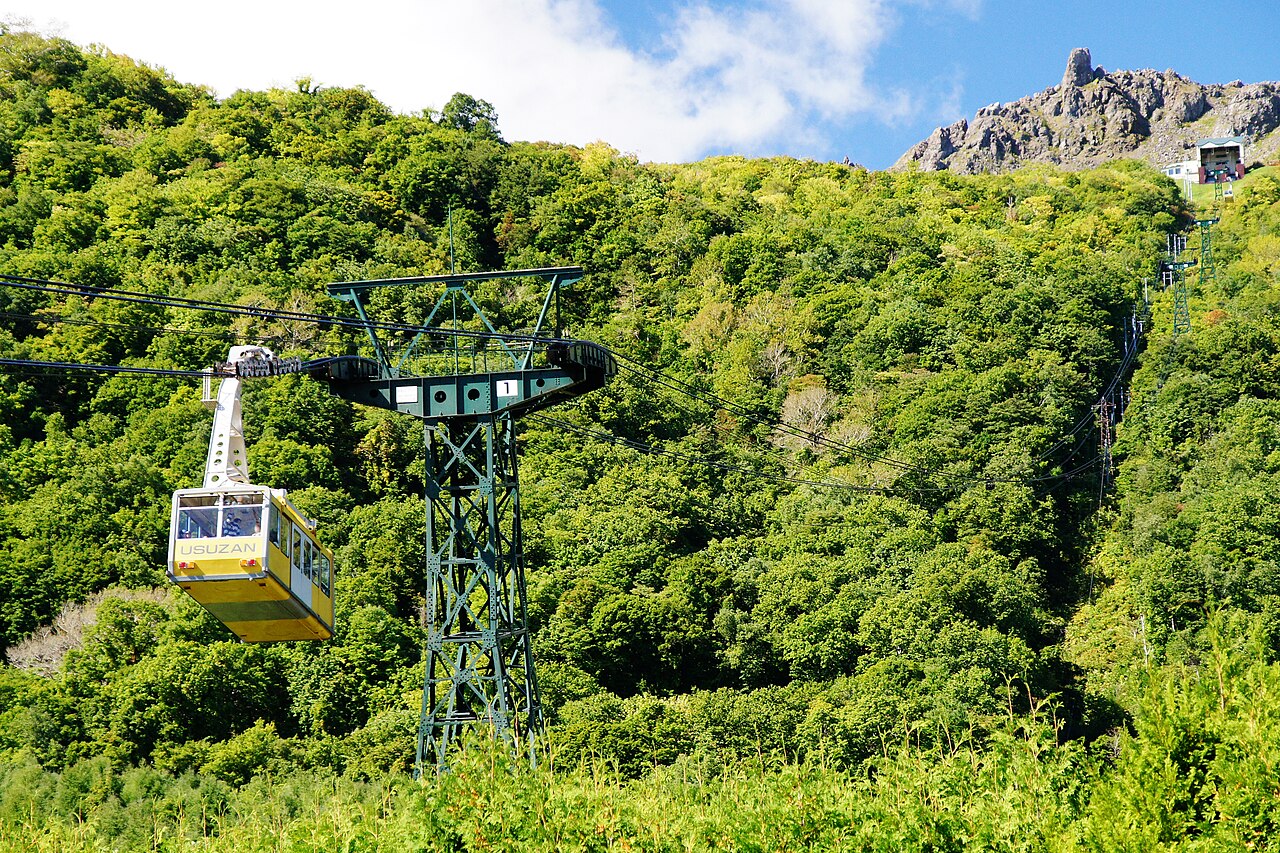
*The Usuzan Ropeway runs year-round (hours vary by season), but the outer-rim hiking trail is closed in winter.
What to bring and wear
- Shoes: the remains trails have sleepers and unpaved ground; Nakajima and the outer rim have rocks and slopes. Trekking shoes are safest.
- Clothing: the summit and the lake are cooler and windier than the flats. Always bring a layer you can throw on.
- Drinks and snacks: Nakajima is an uninhabited island with limited shops. Carry water and light food.
- Sun and insects: a hat, sunscreen and insect repellent make things more comfortable.
Volcano safety | what it means to walk a “living mountain”
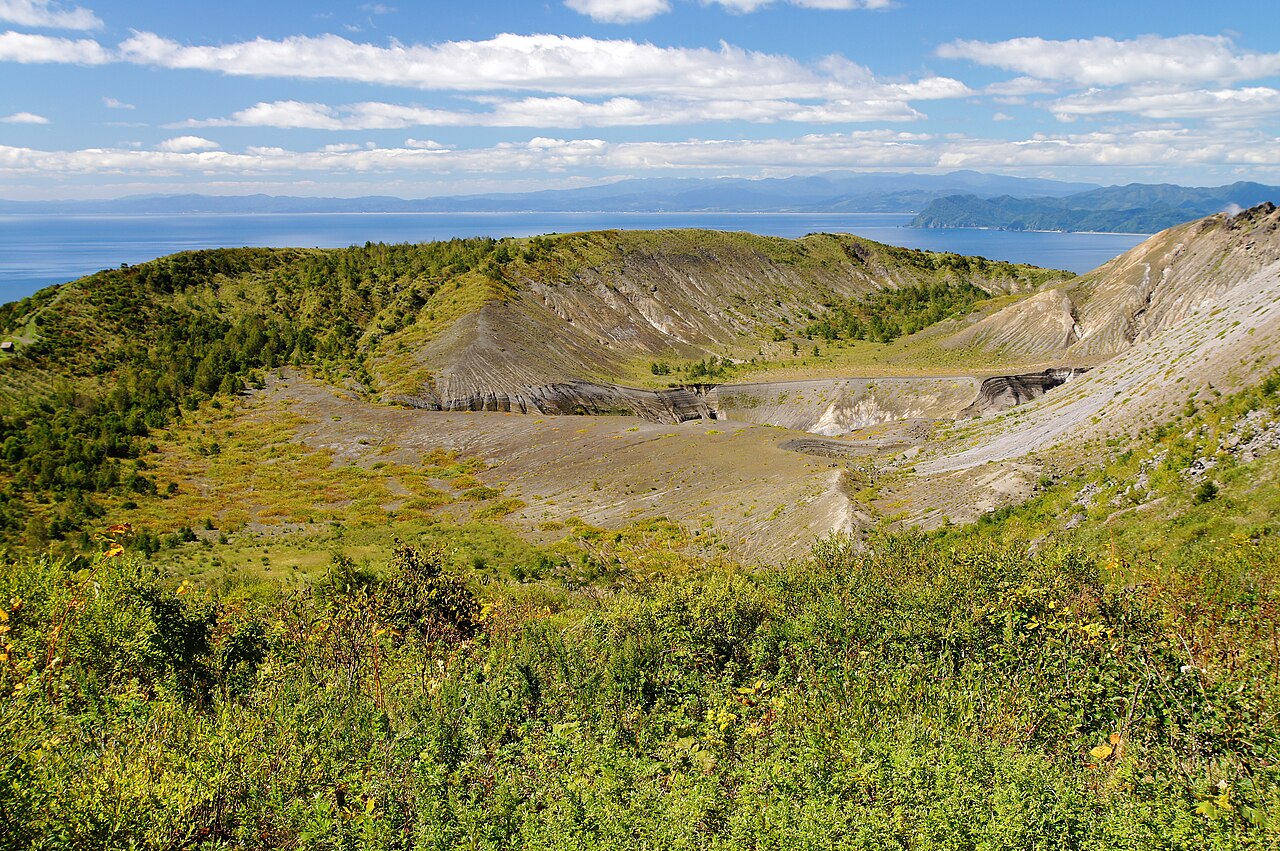
Mount Usu is an active volcano that erupts every few decades. It is normally maintained and monitored so it can be walked safely, but access may be restricted depending on volcanic activity. Before setting out, check the latest via the Japan Meteorological Agency’s volcanic alert level and the on-site information or the official Toya-Usu Geopark website. Never enter restricted areas.
Preparing for brown bears and wildlife
Hokkaido is home to brown bears (higuma). The Nishiyama and Konpira remains trails and the area around the Usuzan Ropeway are near town and well maintained, but on courses that enter forest, take the basics.
- Make noise: a bear bell or radio lets bears know you are there early.
- Timing: bears are more active at dawn and dusk—walk during the day.
- Food management: do not leave trash or food; do not leave scents behind.
- Nakajima is home to many Ezo deer. Keep your distance from wildlife and observe gently.
Access and choosing a base
Lake Toya is about a 2-hour drive from New Chitose Airport and Sapporo. The geopark’s fields are scattered around the lake, so it is most efficient to take a lodging by the lake and get around by car.
Covering everything in one day is hard, so a multi-night stay is ideal. Kamonoya’s whole-house rentals have full kitchens, so you can set out after a good breakfast and recover afterward with an onsen and home cooking. Choosing a fine day for Mount Usu and a rainy day for the visitor center is the strength of staying several nights. See the booking page for availability.For where to buy ingredients and local food tips, see our Lake Toya food guide.
Detailed guides for each course
- Toya-Usu Geopark: a hiker’s complete guide
- Hiking Mount Usu: crater-rim and crater-floor walks by ropeway
- Walking the 2000 eruption: the Nishiyama and Konpira trails
- Trekking Nakajima: an uninhabited island in Lake Toya
Booking directly through our official site is the best-value official rate, with no agency commission (best-rate guarantee). Please check availability from the availability search.