“What kind of clothes should I pack for Hokkaido at this time of year?”—it’s one of the questions we hear most often at Kamonoya, which runs 11 whole-house rentals at Lake Toya. Come with a mainland-Japan mindset and you may find the summer nights colder than expected, or struggle to walk on slippery winter roads. In this article, we share a local’s guide to what to wear and pack for a Lake Toya trip, season by season.
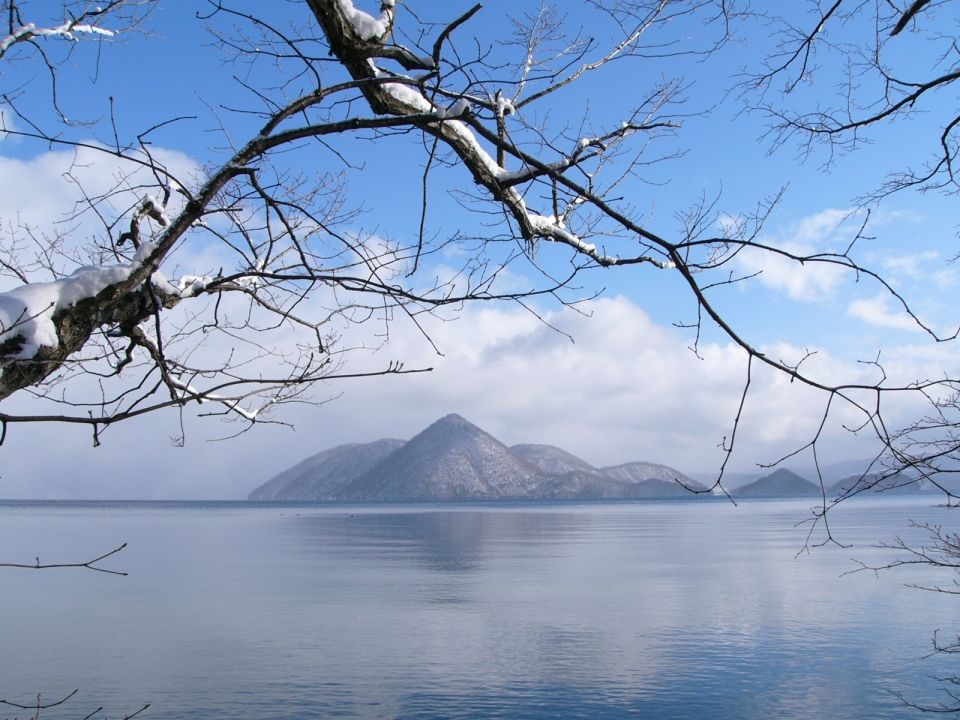
First, get a feel for the temperatures in Hokkaido and Lake Toya
There are three things to know about Lake Toya’s climate before anything else.
- Even in summer, mornings and evenings are cool: The days may be hot, but you’ll often want a layer to throw on morning and night. The sweltering tropical nights of mainland Japan are almost unheard of here.
- Spring and autumn feel “a month behind” mainland Japan: Even in May and October, mornings and evenings turn cold. Cherry blossoms typically appear around the Golden Week holidays, and the autumn foliage usually peaks from mid- to late October—the seasons run noticeably later than on the mainland.
- Winter means lasting snow and sub-zero temperatures: Snow stays on the ground until spring, and freezing days continue for weeks. Beyond staying warm, “shoes that won’t slip on snowy roads” are essential.
On top of that, one thing that’s particular to Lake Toya is that you’ll often be heading outdoors at night. From late April to the end of October, there’s a Long-run Fireworks Festival every evening, so it pays to pack an extra layer with the lakeside evenings in mind.
Spring (April–May): what to wear and pack
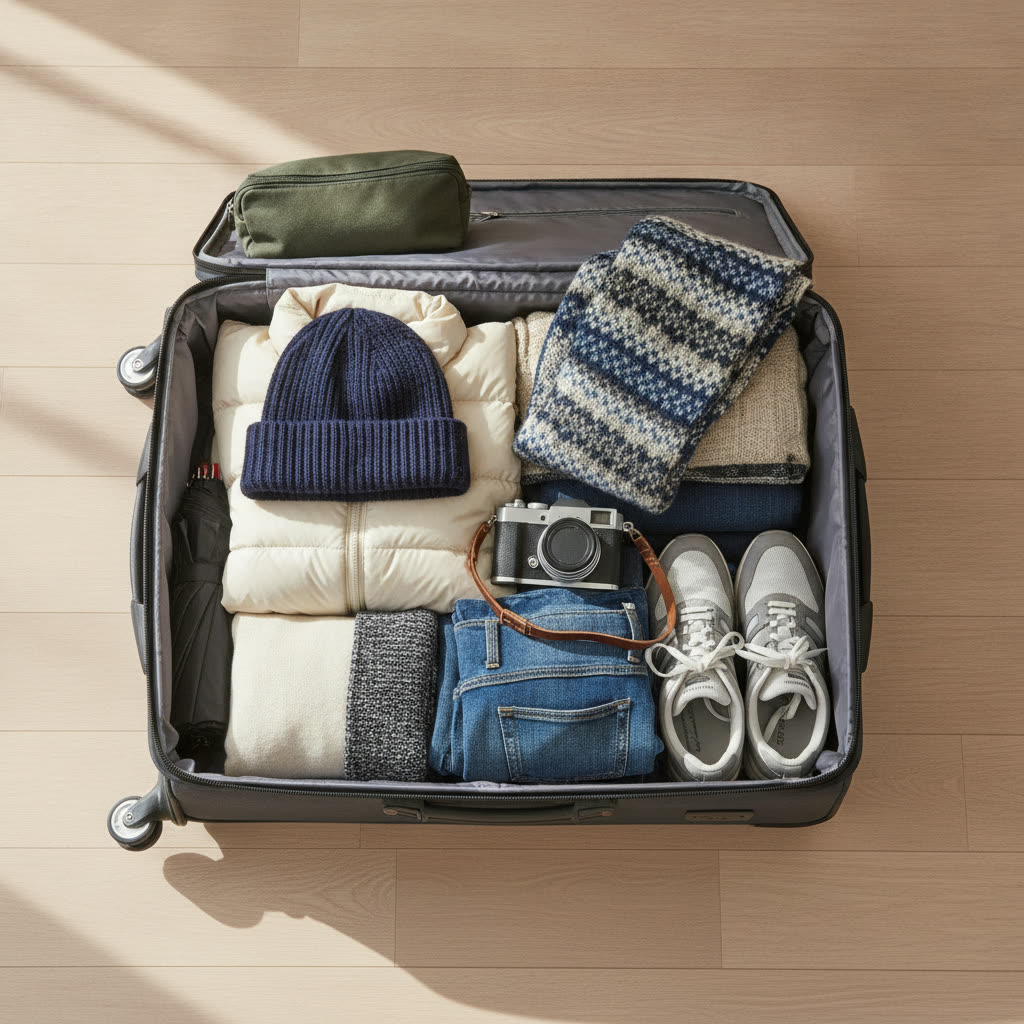
More and more days are mild enough for a light long-sleeved top during the daytime, but mornings and evenings still carry a wintry chill. In early April there may even be snow left on the ground.
- Clothing: Long sleeves plus a fleece or jacket. In April, a light down jacket is reassuring to have.
- Shoes: Comfortable sneakers. Some spots can be muddy from melting snow, so waterproof is even better.
- Handy to have: A scarf or stole and disposable hand warmers for watching the evening fireworks.
Summer (June–August): what to wear and pack
Daytimes are comfortable in short sleeves, but mornings and evenings are cool, and with the breeze off the lake, short sleeves alone can leave you chilly.
- Clothing: Short sleeves plus a light long-sleeved top or hoodie. It’s a must for the evening fireworks and early-morning walks.
- Shoes: Sneakers or sandals. If you’ll be strolling around the lake a lot, prioritize comfort.
- Handy to have: Sunscreen, a hat and sunglasses, and insect repellent. If you’re planning a BBQ, it helps to bring one outfit you don’t mind getting dirty.
Autumn (September–October): what to wear and pack
September stays pleasant, but once October arrives the mornings and evenings turn genuinely cold, with some days dipping below 10°C. During the foliage season (typically mid- to late October), pack as you would for early winter on the mainland.
- Clothing: Long sleeves plus a heavy outer layer. In the latter half of October, a light down jacket or coat comes in handy.
- Shoes: Comfortable sneakers or boots.
- Handy to have: Gloves and a knit hat (in late October), and disposable hand warmers for watching the evening fireworks.
Winter (November–March): what to wear and pack
This is a world of lasting snow and sub-zero temperatures. The basics for staying warm are “layers plus a windproof outer shell.” And what’s surprisingly easy to overlook is your footwear.
- Clothing: Thermal base layers plus a sweater and a down coat. Indoors is warm, so go for a setup that’s easy to take off and put back on.
- Shoes: Waterproof winter boots with non-slip soles are the single most important item. Ordinary sneakers and leather shoes are dangerous on packed snow and icy surfaces.
- Accessories: Gloves, a hat and a scarf are essential. Disposable hand warmers are reassuring to have, too.
- If you’ll be driving: If you’re not used to winter roads, plan with plenty of time to spare. Ski travelers can also see our guide on how to use Lake Toya as a ski base.
Pack light: the whole-house rental option
Every one of Kamonoya’s properties comes with a full kitchen and is rented out as a whole house or private unit. Because there’s a kitchen, you can simply pick up drinks and ingredients locally—so you can travel light even on multi-night stays. For details on facilities and amenities, please check each property page or contact us. For where to buy ingredients and local food tips, see our Lake Toya food guide.
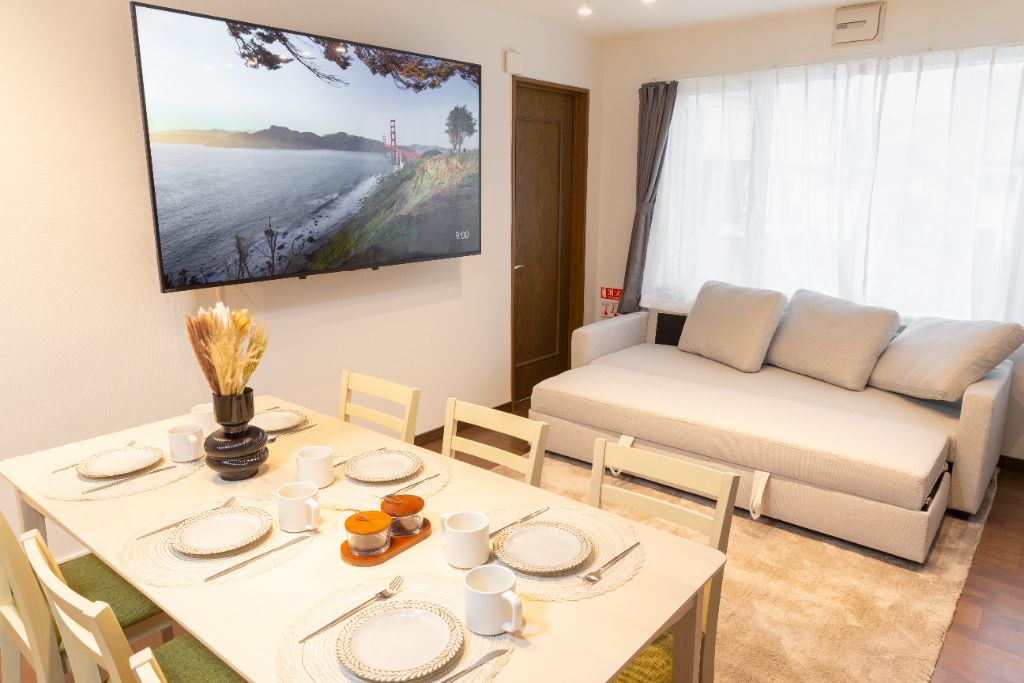
- For family trips: Toya House (sleeps 8, from ¥24,000/night). In the heart of the onsen town, with the evening fireworks within walking distance.
- For couples & small groups: Lake Toya Building 2LDK (sleeps 6, from ¥11,000/night). An apartment-style unit in the town center.
- For larger groups: Lake Toya Base (sleeps 20, from ¥30,000/night). Roomy enough for three-generation trips that tend to come with a lot of luggage. For choosing a place for a big group, see our feature on stays for large groups.
You can browse all 11 properties from the property list. For planning your itinerary, our Lake Toya sightseeing model course may come in handy too.
Booking directly through our official site is the best-value official rate, with no agency commission (best-rate guarantee). Check availability here.
FAQ
Q. Do I really need an outer layer in summer?
Yes, we recommend bringing one light layer. Even when the days are hot, mornings and evenings are cool, and with the breeze off the lake, many people find short sleeves alone a little chilly while watching the evening fireworks.
Q. Are ordinary sneakers okay in winter?
We wouldn’t recommend it. The road surfaces become packed with snow and ice, so please bring waterproof winter boots with non-slip soles. You may be able to buy anti-slip attachments locally, but coming prepared is the surest bet.
Q. Can I do laundry and cook for myself?
Every Kamonoya property has a full kitchen, so self-catering is possible. Picking up ingredients on-site during multi-night stays lets you pack lighter. For details on laundry facilities and other amenities, please check each property page or contact us.