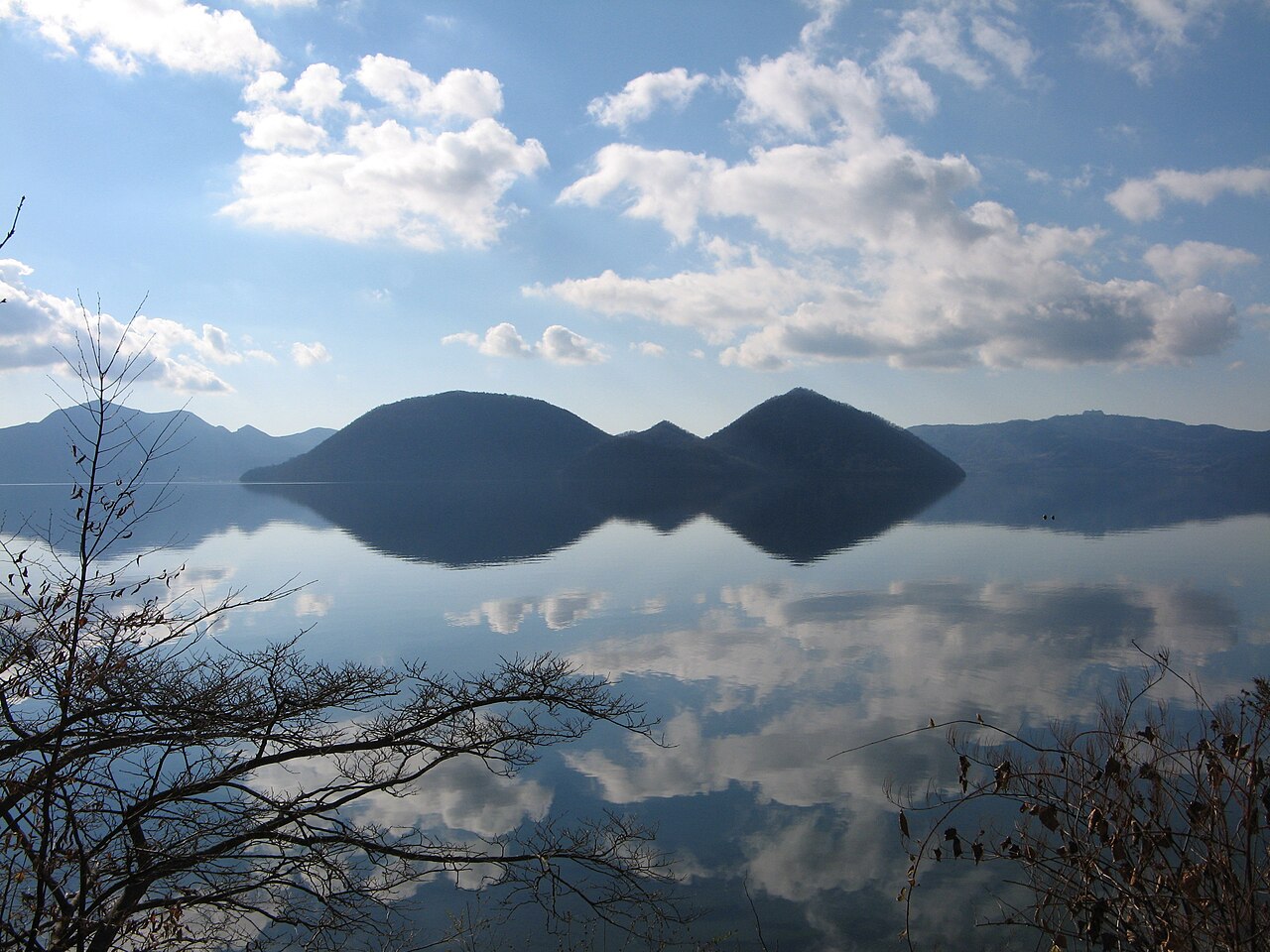
The great appeal of the Lake Toya Marathon is, above all, the scenery of running along the lakeshore. At the same time, it is a course “with plenty of elevation change,” and if you get carried away by the views and lose your pacing, it will catch up with you in the later stages. From the perspective of a local inn whose owners look out over the lake every day, here is how we break down the course’s characteristics and the thinking behind running it well. For accurate details such as elevation profiles and distance markers, please check the course map on the official site, toyako-marathon.jp.
The course at a glance (from in front of Wakasaimo Honpo to the Tsukiura turnaround)
For the 2026 event, the full marathon starts in front of Wakasaimo Honpo (on the Onsen Odori town road), turns around in the Tsukiura district (National Route 230), and finishes on the Lake Toya lakeside promenade behind Wakasaimo Honpo. Because it is an out-and-back layout along the lake, you can revisit on the return leg the scenery you saw on the way out, which makes it easy to keep track of your position and pace.
Preparing for the elevation change
The Lake Toya shoreline is not flat all the way; ups and downs with real elevation change are woven into it. This is the key to running the course well.
- Don’t force the climbs: Rather than letting your heart rate spike, picture keeping your stride short and your cadence steady as you go over each rise—this conserves your legs.
- Don’t overcook the descents: Downhills feel easy, but the impact of each landing builds up in your legs and leads to a fade later on.
- Work the out-and-back backwards: A section you climbed on the way out becomes a descent on the way back, and a section you descended becomes a climb. Use how the outbound leg felt to plan your return.
An accurate elevation chart is provided on the official course map. Getting the profile into your head beforehand makes decisions easier on race day.
The wind and climate unique to the lakeside
There are many open stretches near the lake, so the course is prone to the effects of wind. In mid-May the air around Lake Toya is clear and pleasant to run in, but there is a swing in temperature between morning and evening, and the midday sun can feel surprisingly strong. The 2026 event is on Sunday, May 17, and will be held rain or shine, so it is reassuring to be able to adjust with layers or arm sleeves depending on the day’s weather. On into-the-wind sections, it helps to focus on keeping your effort steady rather than your pace.
How to think about hydration and aid stations
The basic rule for hydration is “before you feel thirsty.” Even in May you will sweat, so making a habit of not skipping the early water stations and topping up frequently helps prevent a late-race fade. Because the locations and contents of aid stations vary by event and by year, if you are concerned it is reassuring to bring your own fuel as well.
The basics of pacing strategy
On an out-and-back course with elevation change, the classic approach is to hold back in the first half and save your legs for the second. The time limit for the full is 5 hours 30 minutes for the 2026 event. If your goal is simply to finish, going out too fast at the start is your greatest enemy. Keep enough in reserve on the way out that it feels almost “too slow,” then gradually pick it up after the turnaround, and you can run all the way to the finish steadily while enjoying the scenery.
Use a pre-race stay to scout and visualize the course
If you want to get the feel of the course into your body, staying the night before and doing a light jog around the start area the previous day is a good idea. Every Kamonoya property has a full kitchen and is rented as a whole house or private unit, making them well suited to fine-tuning your pre-race meals and holding a strategy session with your group. In the heart of the onsen town, Toya INN-West (up to 9 guests, from ¥25,000/night) and Toya House (up to 8 guests, from ¥24,000/night) offer convenient access from the start-finish area. For details on choosing lodging, see our pre-race lodging and accommodation guide for runners, and for an overview of the whole event, see the complete Lake Toya Marathon guide. You can compare all of our properties from the facilities list.
Booking directly through our official site is the best-value official rate, with no agency commission (best-rate guarantee). Check availability here
FAQ
Q1. Is the Lake Toya Marathon course flat?
It is a lakeside course with elevation change. Because it is not flat all the way but has ups and downs, a strategy of not pushing too hard on the climbs and not overcooking the descents works well. You can check an accurate elevation chart on the course map. The setup can change from year to year, so please confirm on the official site, toyako-marathon.jp.
Q2. Where is the course’s turnaround point?
For the 2026 event, the full marathon starts in front of Wakasaimo Honpo, turns around in the Tsukiura district (National Route 230), and finishes behind Wakasaimo Honpo. Because it is an out-and-back course, you can use how the outbound leg felt to plan your return.
Q3. What is the time limit for the full marathon?
For the 2026 event, the time limit for the full marathon is 5 hours 30 minutes. Pacing yourself by holding back in the first half and saving your legs for the second is the key to finishing.